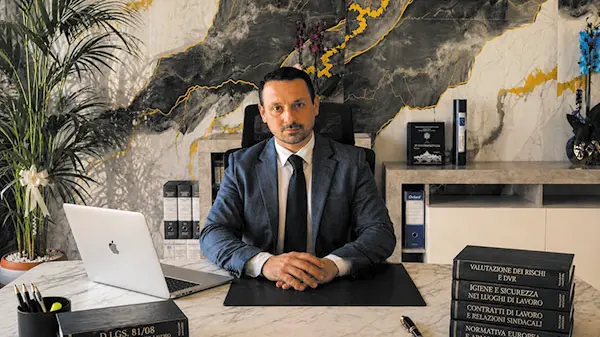


In Italy, in 2024, INAIL recorded over 585,000 reports of workplace accidents. This number regularly makes headlines, fuels debates, and generates new circulars, but struggles to translate into real change in corporate practices. Marco Arrais, founder of the Legal & Technical Consulting firm in Sardinia and the subject of an article in a national newspaper, has a clear idea of where the real problem lies.
"Because too often, safety is seen as a formal obligation," he explains. "We think about the document, the signature, the course to take. But real safety is something else: it means truly understanding how a company works, where the risks lie, and how to concretely prevent them."
Lots of rules, little substance
It's natural to wonder if the problem lies in the quality of Italian legislation. Arrais's answer is clear: "Absolutely not. Italy has very advanced legislation. The challenge is applying it correctly. And to do so requires skills that aren't just theoretical. You need to be able to read the law, but also understand production processes, machinery, work organization, and operational dynamics."
A fundamental distinction that makes all the difference in everyday practice. Knowing the standards isn't enough: you need to know how to apply them to the specific reality of each company, with its spaces, machinery, and operating habits. This is precisely the leap that many companies fail to make, often relying on standardized solutions that don't reflect their reality.
The double competence that changes everything
At the heart of the Arrais method is a clear choice: to integrate legal and technical expertise in a single professional, rejecting the traditional separation between legal advisor and security manager.
"Security is a meeting point between law and technology," he explains. "If one of these two aspects is missing, the system will fail. A purely technical approach risks neglecting responsibilities and regulatory aspects. A purely legal approach risks being disconnected from operational reality. I chose to integrate both skills precisely to bridge this gap."