










Manuals are fundamental tools for acquiring the basics of any discipline. They “give” the foundations of a certain knowledge, foundations on which to perfect our knowledge. However, manuals often have the limitation of being rigidly anchored to tradition, to convention. They tend to be reassuring, even when this means precluding new points of view, the most recent conclusions of research. This vice particularly afflicts historical manuals, almost as if dealing with the past imposes that there is not much alternative or surprising to say.
Yet, in recent years many new developments have emerged, especially on the more distant events of human beings , thanks to the use of new multidisciplinary investigation methodologies in which historical knowledge, technology and science go increasingly hand in hand and thanks to new perspectives that aim to overcome the Eurocentric and Western paradigm that is too often dominant, if not exclusive, especially in school teaching.
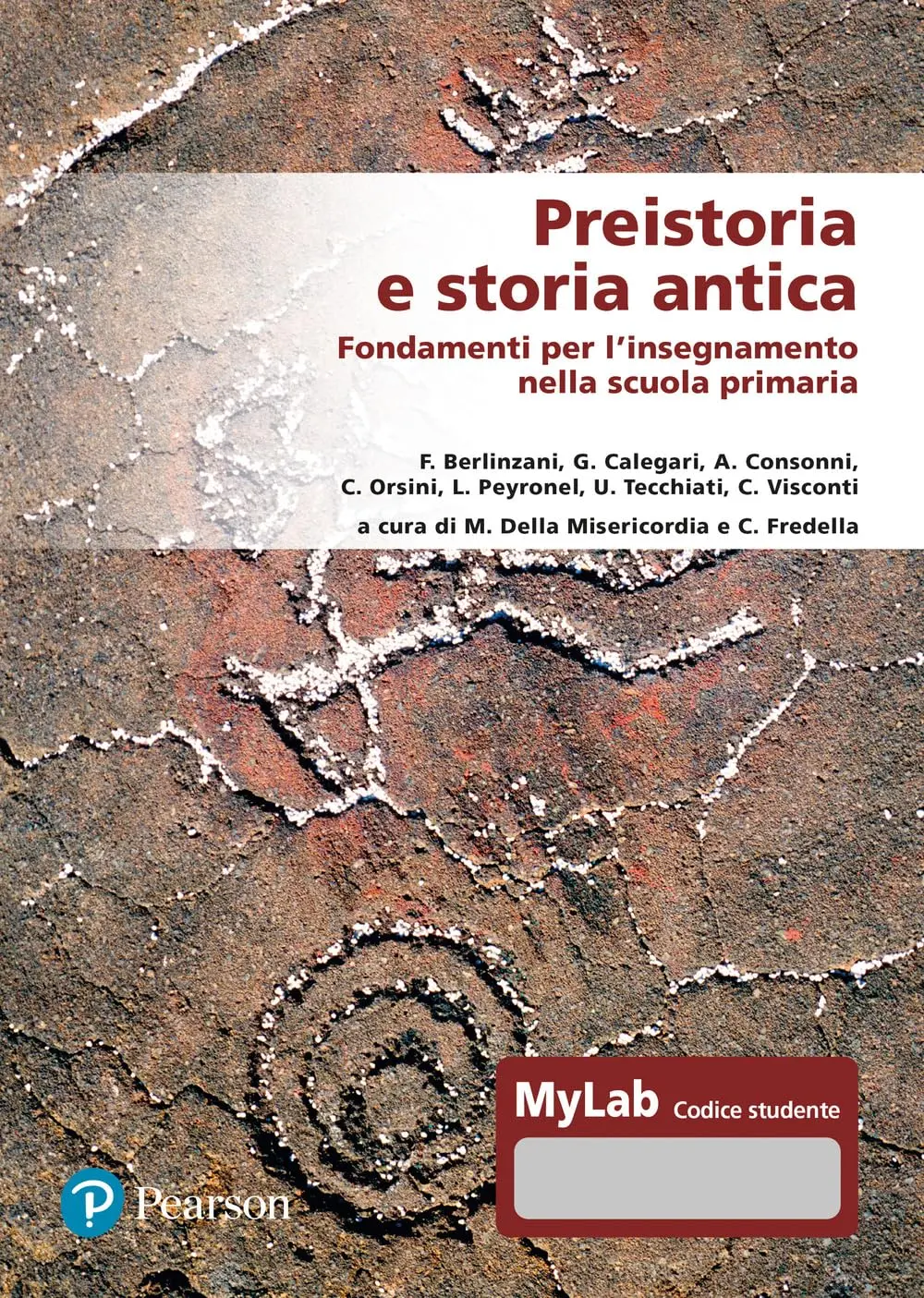
The volume “Preistoria e storia antica” (Pearson, 2025, pp. 260, also e-book), edited by Massimo Della Misericordia and Claudia Fredella , takes advantage of the innovative things that have recently emerged on the origins of human beings, the prehistoric era and ancient civilizations. The book - born as a teaching tool in primary school, but useful for anyone who loves history - gives ample space to the interpretation of written and material sources, starting from the awareness that in order to renew historical knowledge and therefore teach history in a different way, great importance must be given to the direct relationship with the testimonies that have come down to us. Testimonies that are presented both in the light of the approaches consolidated by disciplinary traditions, and by opening up to new theses and addressing problems that are still unsolved. We find the same balance in the way in which the cultures of the various continents are presented, without being crushed by the weight of conventions that are now outdated . These assumptions have led to the involvement of specialists from different fields of research, to allow for the comparison of different disciplinary languages, which allow the methods of construction of specific historical knowledge to emerge, showing a historical knowledge that is anything but immutable, as is often presented especially in school textbooks.