

The history of Italy in the second half of the twentieth century can be told from many points of view. We can talk about politics, about the so-called "First Republic", that of the large mass parties then overwhelmed by the Clean Hands investigations. Italian history can be approached from the point of view of a society that at the end of the Second World War was predominantly peasant and a few decades later had become urban, white-collar and blue-collar. Instead, we can follow the common thread of the entrepreneurial and economic events of a country, Italy, which was rapidly and disorderly industrializing.
A country whose entrepreneurship, in the 1980s, saw figures such as Gianni Agnelli, Carlo De Benedetti, Leopoldo Pirelli, Cesare Romiti and Raul Gardini competing for hegemony. The latter was perhaps the most fascinating of those who some have defined as "courageous captains", due to his ambition and desire to excel, others "captains of misfortune" due to the consequences, sometimes disastrous for the Italian system, of their choices. .
The journalist Alberto Mazzuca dedicated a volume that can be read in one breath, like a great popular novel, to the most iconic of courageous or misfortune captains: “Gardini. Il Corsaro” (Minerva, 2023, pp. 366, also e-book). But thirty years after his death, which occurred in July 1993 following a suicide whose nature was never fully clarified, perhaps it is useful to rewind the tape and tell who Gardini was and why he was called the Corsair .

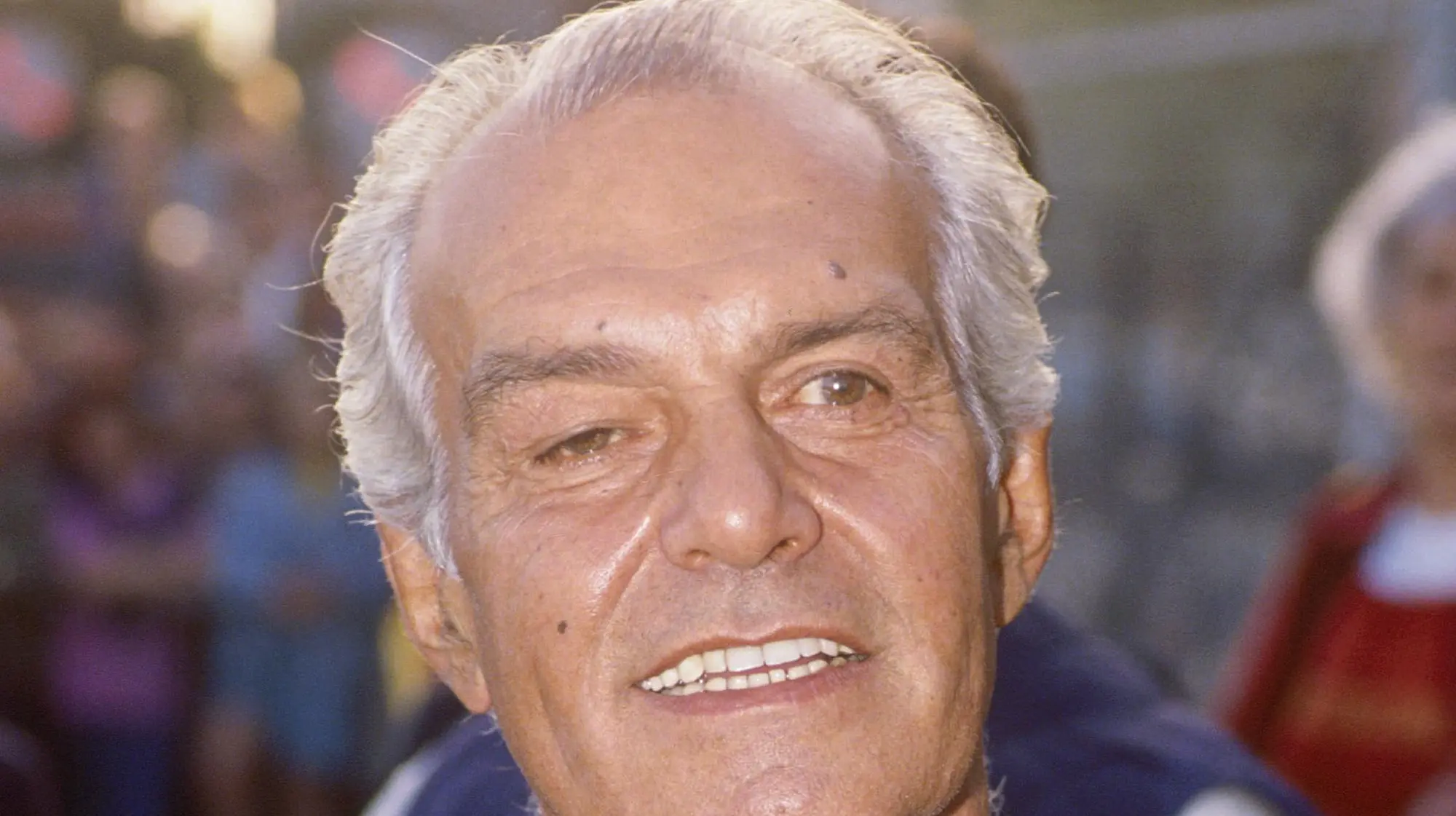
Gardini was first of all an entrepreneur from Ravenna, Romagna and blood-red to the core, an old-fashioned master who managed his companies like a ship captain manages his vessel: without any limit to his power, his decisions and his ambitions. And Gardini, a free and somewhat anarchic man, was not by chance a fighter who loved the sea (his Moro di Venezia was the first Italian boat to win the Louis Vuitton Cup in 1992 and reach the final of the America's Cup), the dreams and challenges. His human and entrepreneurial story is then inextricably linked to those of the Ferruzzi dynasty, the family which, thanks to the skill and unscrupulousness of its leader, Serafino Ferruzzi, found itself dominating an empire born from the control of the cereal market. In 1979, Raul Gardini inherited the throne of the empire upon the death of Serafino (he had married one of his daughters) and began to be known as "the Corsair" for the raids on the stock exchange which led him to the conquest of Montedison and Enimont, to the the leading companies in Italy in the chemical sector at the time.