

A journey into the history, traditions and culture of the country . So today and tomorrow until 8 pm in San Gavino Monreale the event Monumenti Aperti will take place and there will be 14 sites to visit told as always by school children and volunteers from the Campidanese centre.
You can visit the Church of San Gavino Martire (via San Gavino; visits organized by the Maconi-Lussu High School), built by Pisan craftsmen in 1347 at the beginning of the Giudicato of Mariano IV of Arborea (1347-1375), who used to stay in the nearby castle of Monreale. The Church is called the “Pantheon of the Arboreans” because, following the studies of the historian Francesco Cesare Casula, it appears to be the only religious building that presents the effigies portraying the rulers of the Giudicato of Arborea.
The Nuccio Delunas Football Museum reopens to the public, pending future management (via Convento; visits by Monreale Calcio 1936), which was created to preserve and enhance the sporting memory of San Gavino Monreale and its protagonists. Inside, there is a rich collection of photographs, shirts, trophies, memorabilia and documents that tell the story of decades of football passion, from amateur activity to the great feats of local teams. An exciting journey that pays homage to Nuccio Delunas, a historic figure in San Gavino Monreale sport: the memorabilia was donated by his son Corrado, a great sportsman and author of beautiful books such as those dedicated to the history of Cagliari football, the history of San Gavino football and other sports clubs.
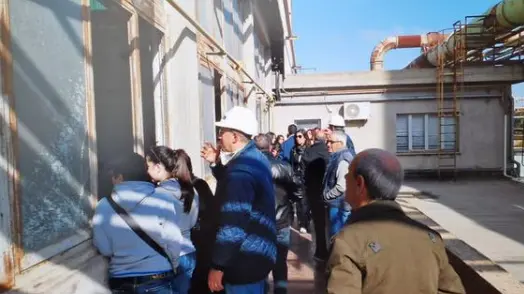
Don't miss the Due Fonderie Museum (via Montevecchio; visits by the Sa Moba Sarda association) which owes its name to the history of the ancient Villacidro foundry and the modern San Gavino foundry. It is located inside the former railway warehouses, once a hub for the raw material that was transported from the Montevecchio mine for processing in the San Gavino foundry.
Also very evocative is the (via Amsicora 21; visits organised by the Sa Moba Sarda association), built by the Spanish feudal lords of Quirra, a typical 16th-century manor house which owes its name to Donna Massima Orrù, the last owner belonging to the noble Orrù family, who purchased the property from the Quirra family in the early 19th century.