

The new frontiers of bariatric surgery will be the focus of the Sicob congress, the Italian Society of Obesity Surgery and Metabolic Diseases, on Monday.
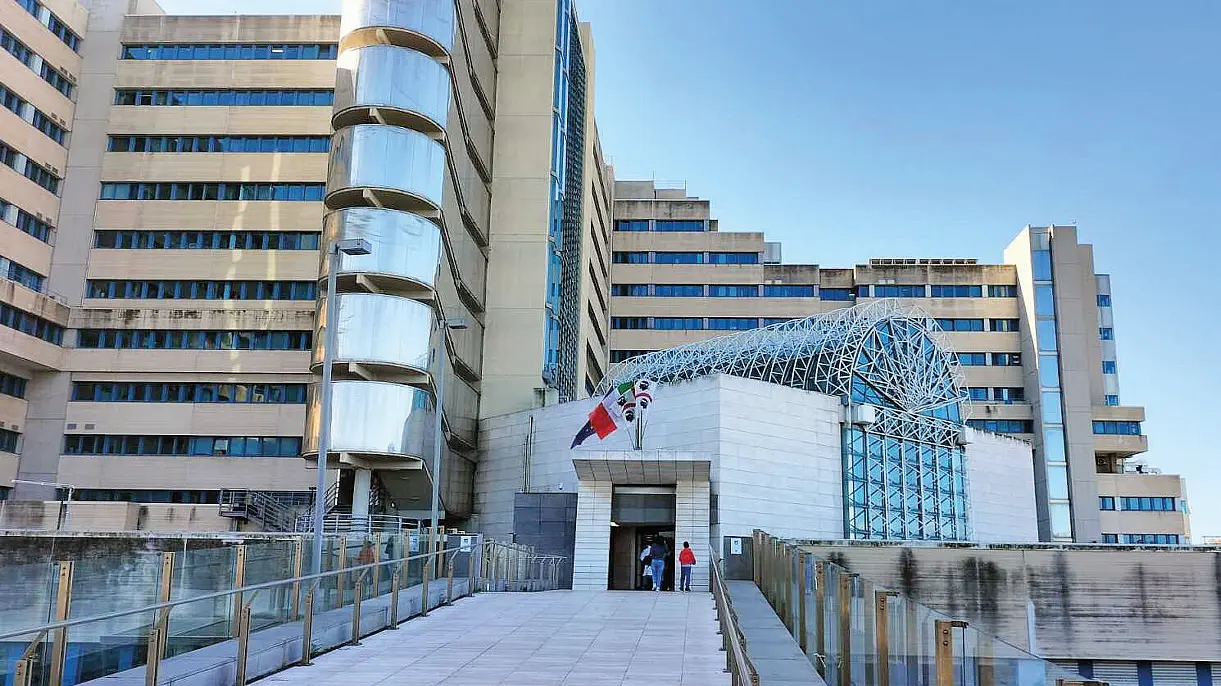
The appointment is for 8:30 in the “Atza” room of the Brotzu hospital in Cagliari. “An important moment of discussion on the most innovative aspects of the topic of obesity, a chronic and complex disease that affects millions of people in Europe and around the world,” reads a press release. “Driven by genetic, environmental, behavioral and social factors, it can cause significant health problems and increases the risk of developing other chronic diseases, including cardiovascular disease, diabetes and tumors.”
In Italy, according to the most recent Istat data, 34.2% of citizens are overweight and 12.0% are obese: in total, there are over 25 million people who are overweight in our country, or more than 46 percent of adults (over 23 million people), and 26.3 percent of children and adolescents aged 3-17 (2 million and 200 thousand people). Reading the data shows an alarming increase in its incidence and a clear reduction in the age of onset, furthermore it is estimated that it is responsible for over 64,000 deaths or 10% of all deaths. Yet, despite the alarming data, there are few centers that deal with the pathology in an integrated way. One of these is located in Sardinia: the Obesity Surgery Center of Arnas Brotzu in Cagliari, directed by Giovanni Fantola, is in fact recognized as a center of excellence by Sicob (Italian Society of Obesity Surgery and Metabolic Diseases).
"The congress", the note continues, "will be an opportunity to talk about the new frontiers of bariatric surgery, in particular the interventions will focus on robotics which, in recent years, has made significant progress allowing surgeons to operate in a more precise and more calibrated way on the individual patient".
The bariatric patient is a complex patient: once taken into care, he is carefully evaluated by an interdisciplinary team composed of internists, nutritionists, endocrinologists and psychologists . Currently, there are several elements that contribute to protecting the bariatric patient by guaranteeing safety and quality of care, one of the most important tools is the Diagnostic Therapeutic Assistance Path (Pdta), a topic that will be addressed in the conference with a view to optimization, according to the philosophy of lean management.