









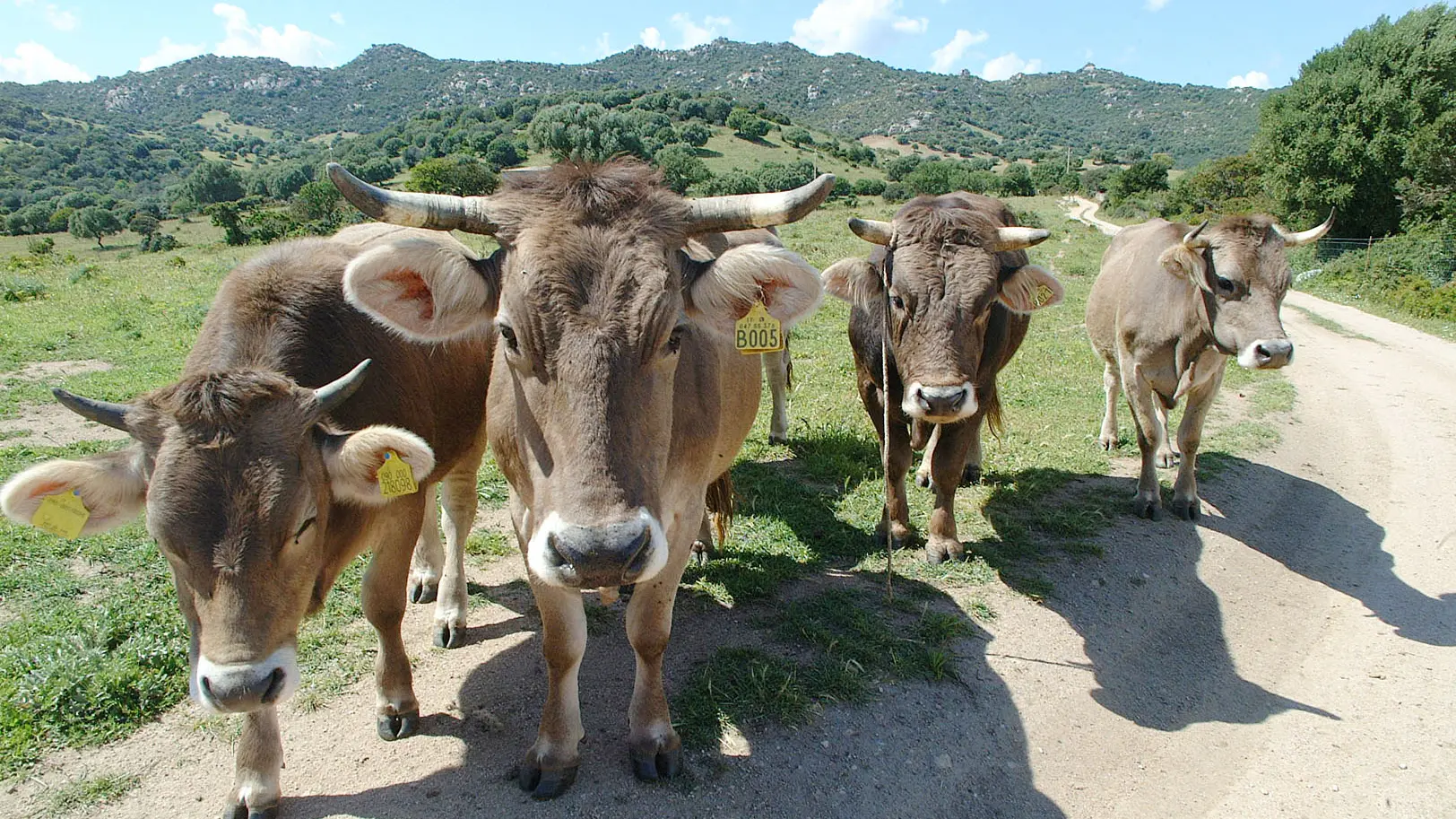


Twenty-six active outbreaks (the latest confirmed in Benetutti and Orotelli), 1,450 live animals affected, 26 deaths from the disease, and 143 culled. The number of cases of lumpy skin disease in Sardinian cattle farms is rising daily. And the Region is trying to take action.
The official mandatory vaccination plan will become operational on July 21st: 300,000 vaccinations will be administered simultaneously across the island for three months. Those who fail to comply could be fined and, in the most serious cases, face legal trouble. They will also lose any compensation they may have received.
For the campaign, as explained in a statement from the Region, a live, attenuated veterinary vaccine will be used, "called 'Lumpy skin disease vaccine for cattle', authorized by the Ministry of Health and distributed by the Zooprophylactic Institute of Sardinia (IZS), based on the quantities requested by the local health authorities and based on the cattle population present in the various territorial areas."
Management of the Vaccination Plan is entrusted to the Animal Health Veterinary Services of the Sardinian Local Health Authorities. Vaccination operations will be carried out by the Veterinary Services of the competent local health authorities (ASL) or by independent veterinarians appointed by the owners and/or keepers of the animals or by professional associations, specifically trained and formally appointed by the ASL. The vaccine must be administered at the times and according to the methods indicated in the vaccination program.
"The vaccinations will be free of charge for the Region, as the purchase costs for the entire stock, amounting to approximately 300,000 doses, have been covered by the European Union," explains Health Councilor Armando Bartolazzi. "The costs required to support veterinary services in carrying out the inoculation activities will be borne by the department with resources already allocated through those recently included in the adjustment law passed in the past few hours: over €1.5 million, in addition to €2.3 million earmarked for slaughter compensation and €5 million in direct aid to the Laore Agency, for the provision of grants to livestock farms to cover losses caused by the movement ban."








