









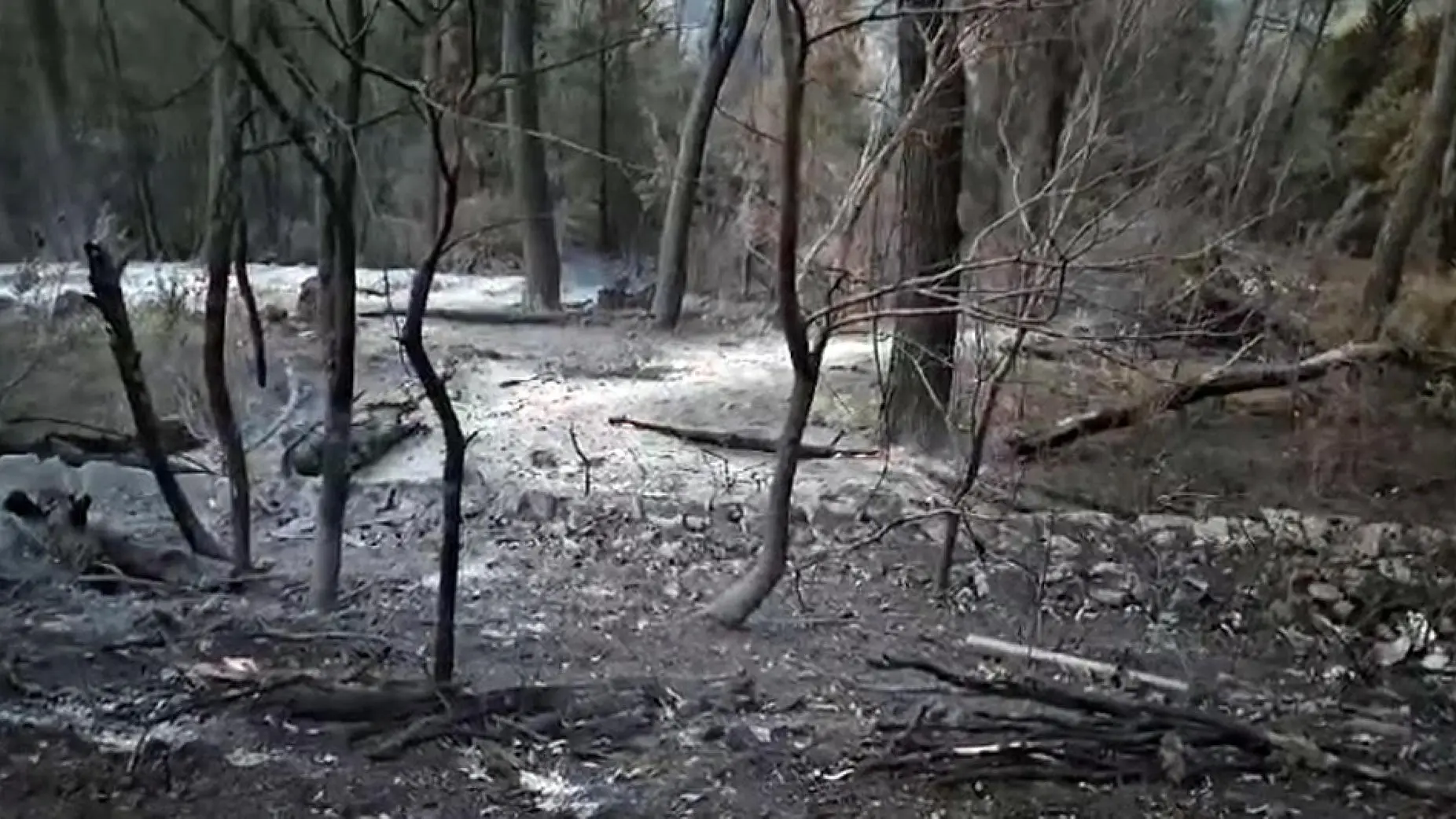


Villasimius, Zingaro Nature Reserve, the Peloponnese, Crete, Cyprus, Catalonia: the flames know no borders, and the summer of 2025 is proving to be one of the most devastating in recent years. Forests and water resources are paying the highest price, while rural areas and agricultural economies are increasingly struggling .
According to Legambiente's latest report, between January 1st and July 18th, 2025, over 52,000 hectares of vegetation, including forests and Mediterranean scrub, went up in smoke in Italy.
This is already an alarming figure, made worse by the fact that it represents a 35% increase compared to the same period in 2024. And the worst could be yet to come: if the trend of recent years continues, there is a risk of exceeding 100,000 hectares of burned land by September.
Two of the most serious incidents occurred in Sardinia, in Villasimius, and in Sicily, in the Zingaro Nature Reserve, where hundreds of hectares of precious vegetation were destroyed, along with structures, homes, and personal property. In both cases, the lives of residents and tourists were also put at risk.
Nationwide, over 3,000 firefighting operations were recorded in the last week alone . According to ISPRA and the regional authorities, direct and indirect damages could already exceed €1.5 billion, a figure expected to grow as the dry season progresses.
"A burning forest doesn't just mean losing trees, it destroys essential ecosystem services like soil protection and biodiversity. To rebuild what fire erases, a single generation isn't enough," commented Francesco Vincenzi, president of ANBI (National Association of Consortia for the Management and Protection of Land and Irrigation Waters).
But it's not just Italy that's burning . The ANBI Water Resources Observatory lists a long series of fires that devastated the Mediterranean basin in July. In Spain, 5,000 hectares burned in Catalonia, 3,300 in Tarragona, and 3,000 in Toledo. In Greece, enormous damage was recorded in the Peloponnese, Attica, and Kythera. In Crete, over 7,000 hectares went up in smoke, while in Cyprus, 100,100 km² of wine-growing territory. In Albania, however, 18 outbreaks were reported, including in the Lura National Park, while in Portugal, Turkey, and Bulgaria, the fires reported were extensive and difficult to contain.








