











This is no longer a temporary peak, but a trend that is growing stronger day by day. Even in Sardinia, high prices continue to impact the entire supply chain, from fuel to energy to food products, with direct impacts on businesses and consumers.
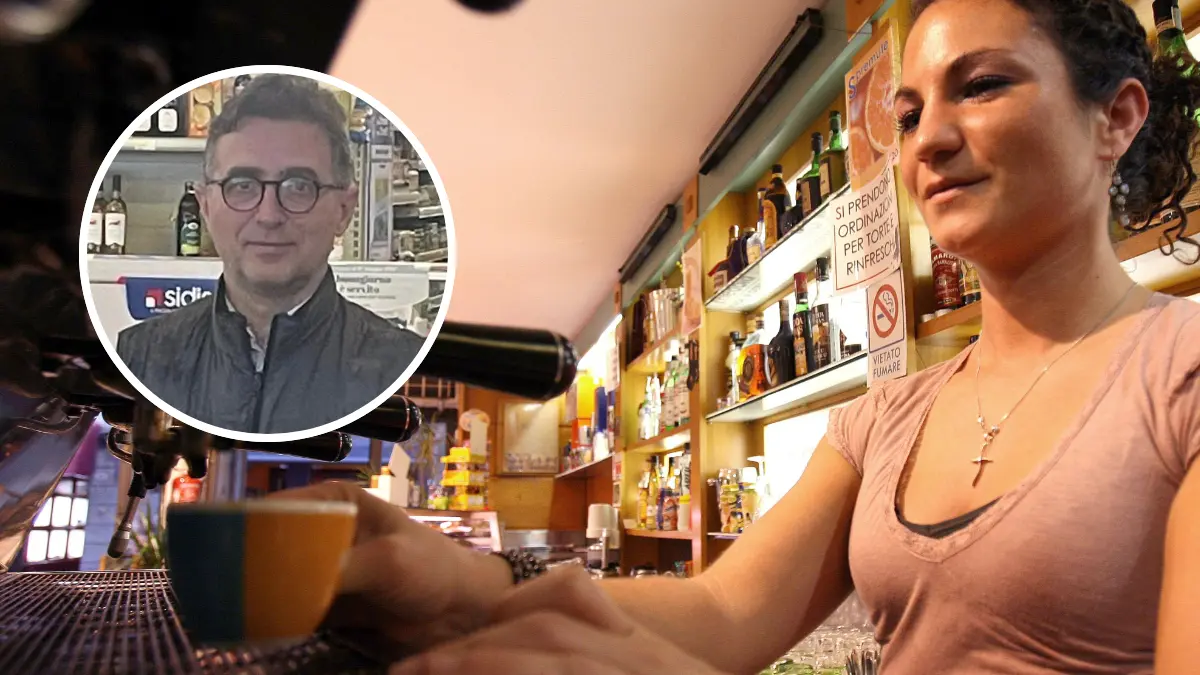
The alarm was raised by Mauro Spanu, a local entrepreneur and delegate for Fida (Italian Federation of Food Retailers) at Confcommercio Sud Sardegna, describing an increasingly complex situation: widespread price increases, reduced margins, and families forced to rethink their spending habits.
"We've seen a 12% drop in Easter products, such as chocolate eggs. This is a clear sign: families are starting to cut back on their traditions, too." At the same time, prices have risen immediately and significantly, particularly in the fruit and vegetable sector: 25% more for fruit and vegetables, 15-20% more for electricity, and 10% more for bread (expected next week).
A domino effect that won't stop there. "The bakers have already notified us of the increases. Consequently, bars will also be forced to adjust their prices: pasta and sandwiches will go up by about 10%."
Businesses, at least for now, are trying to absorb part of the increases without immediately passing them on to customers. "Companies are making a huge effort: they're not immediately passing the price increases on to the final price, but are shouldering them. However, this situation isn't sustainable in the long run," explains the entrepreneur, who operates in the bars, fuel, and food distribution sectors.
The most critical issue remains fuel, with direct effects on the entire supply chain : the price at the pump has risen from €1.70 to €2.10 per liter. €50 now buys about 23 liters, compared to 30 liters previously. "The increase in fuel prices is the real cost multiplier. It affects everything: transportation, agriculture, distribution. Farmers must use diesel and electricity to work, and this inevitably impacts consumer prices."








