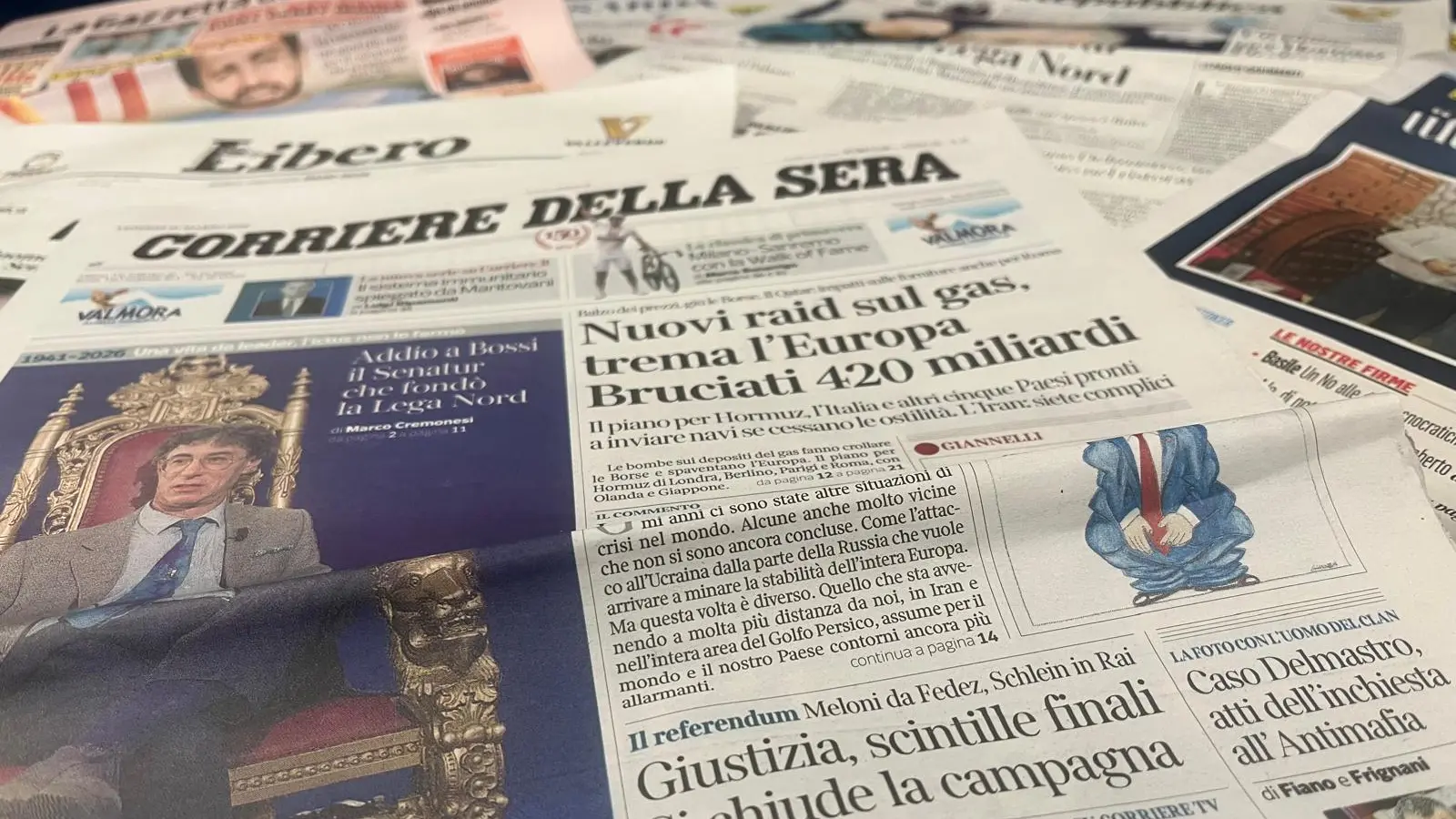


Today, March 27, journalists will strike to demand a renewal of the Fieg-Fnsi contract, which has been lacking for ten years. The Sardinian Press Association is organizing a demonstration at 11 a.m. in front of the Bastion of Saint Remy in Cagliari.
The Fnsi Press Release
Today, journalists are striking again for the renewal of their employment contracts, which expired ten years ago—the only category of employed workers in Italy. This is the second day of strikes in a five-day series; the third has already been announced for April 16th. Having a renewed contract is not a privilege. Being paid a decent wage, both inside and outside the newsroom, is not a privilege. Working without permanent precariousness is not a privilege. Providing free, professional, and independent information, free from financial blackmail, is a right. Ensuring dignified conditions for those who work, for those entering the profession and for those leaving it, is an obligation. Ensuring the future of information, a common good protected by the Constitution, by Article 21, closely linked to Article 36, is a social duty. Publishers, on the other hand, prefer to pass the costs of labor onto the community. The numbers speak for themselves: between 2024 and 2026, they received €162 million in public contributions for paper sales; in the same two-year period, another €66 million for 1,012 early retirements; between 2022 and 2025, they saved approximately €154 million on paper purchases; and between 2024 and 2026, they will receive another €17.5 million for investments in innovative technologies. These are privileges enjoyed by a very few, and moreover, paid for by all Italians. Since April 1, 2016, when the last contract expired, everything has changed: workloads and pace have increased dramatically, multiplatform services, and editorial staffs have virtually disappeared. Wages, however, have remained stagnant, further eroded by inflation or even reduced by uncontrolled lump sum payments. Recognizing the dignity of work is the starting point for a serious discussion. Instead, it is described as excessive. This is a flawed and dangerous narrative, one that undermines the very foundations of work and the quality of information. Without rights and protections, journalism dies. And with it, democracy. This strike isn't defending privileges. It's defending a simple principle, a right: our work matters.