









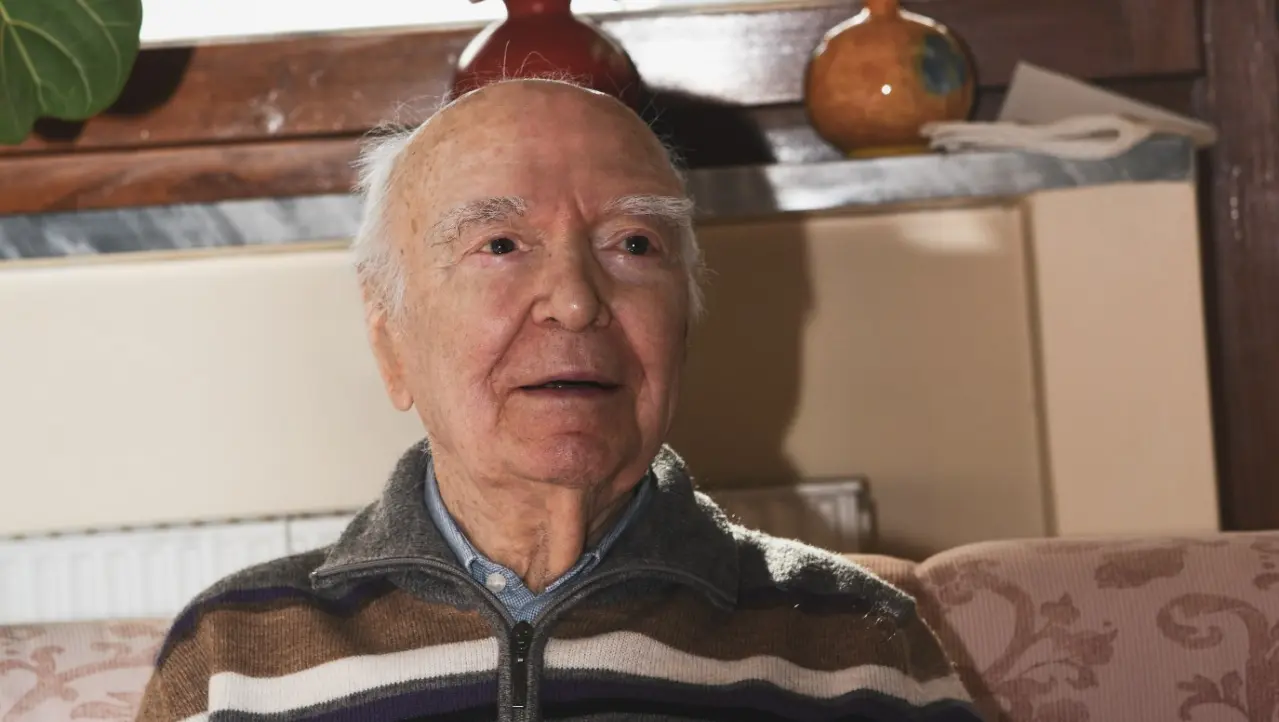


A hundred years, and a vivid memory that runs as fast as the footsteps of those who have lived through so many emergencies and so many births in homes without a hospital.
Efisio Manunza, born in Stampace (Cagliari), blows out his first centenary candle today . "My childhood is all there," he says.
For four decades he was a local doctor in Muravera, becoming not only a healthcare hub but also a silent guardian of the community's stories, pains, and hopes.
Medicine called him early. He graduated in 1955 and already as a student, he worked as a volunteer in a medical clinic.
The idea was to specialize, but fate had other plans: "They told me: go to Muravera for a fortnight, as a replacement. It was 1956. I left thinking I'd come back immediately."
Muravera, however, wasn't a temporary stopover. "There wasn't a hospital. There just wasn't one. There was only the doctor, period. If anything happened, the doctor had to be ready for anything."
The first patients were farmers, in an area where life depended on agriculture. "They said, 'Stay a little longer.' I said yes. And I stayed for forty years."
And so that brief assignment would become a lifetime: forty years of house calls, home births, unexpected emergencies, and a human relationship with each patient that knew no timetable or rest. The clinic was down the street, on Via Roma. Mornings until one or two, then house calls without clocks or breaks.
"If there was a high fever, I'd come back the next day. And the day after that," he recalls. In those years, emergencies were a daily occurrence: injuries from car accidents, complicated births, the lack of specialists and ambulances.
The early days were tough: two years in a hotel, half salary for room and board. Then Maria Teresa, his lifelong companion, arrived: "We'd been engaged for seven years. When I was able to buy a bedroom, kitchen, and living room, we got married. Sixty years and six months together."








