

















LEGGI IL QUOTIDIANO
LEGGI IL QUOTIDIANOOggi 12 November
L'Unione Sarda English
Abbonati
ITA|ENG|DEU|RUS|CIN
videolina Linkradiolina linkSardegna 1 linkVai online linkPBM link
Read the newspaper
L'Unione Sarda English
Subscribe
L'Unione Sarda

Iniziative Editoriali

  • Biblioteca dell'identità

Account

  • Abbonati
  • LEGGI IL QUOTIDIANO
ABBONATI A L’UNIONE SARDA

SCARICA L'APP L'UNIONE DIGITAL

Download GoogleDownload apple
videolina Linkradiolina linkVai online linkPBM link

2021 L'Unione Sarda S.p.A. Tutti i diritti riservati. É vietata la riproduzione, anche parziale e con qualsiasi mezzo, di tutti i materiali del sito. | Indirizzo della Sede Legale: Piazzetta L'Unione Sarda nr. 24 | Capitale sociale 11.400.000,00 i.v. | Codice Fiscale ed iscrizione presso l'Ufficio Registro Imprese di Cagliari 01687830925 (P.I. 02544190925) | REA: CA-136248

Cookie e Privacy PolicyModifica impostazioni privacyInformativa commentiCorporate
L'Unione Sarda

News

  • Cronaca Sardegna
  • Economia
  • Salute
  • Cultura
  • Sport
  • Gossip
  • Turismo

Servizi

  • Necrologi
  • Annunci
  • Pubblicità

Bella Sardegna

  • Spiagge

Iniziative Editoriali

  • Biblioteca dell'identità

Account

  • Abbonati
  • LEGGI IL QUOTIDIANO
ABBONATI A L’UNIONE SARDA

SCARICA L'APP L'UNIONE DIGITAL

Download GoogleDownload apple
videolina Linkradiolina linkVai online linkPBM link

2021 L'Unione Sarda S.p.A. Tutti i diritti riservati. É vietata la riproduzione, anche parziale e con qualsiasi mezzo, di tutti i materiali del sito. | Indirizzo della Sede Legale: Piazzetta L'Unione Sarda nr. 24 | Capitale sociale 11.400.000,00 i.v. | Codice Fiscale ed iscrizione presso l'Ufficio Registro Imprese di Cagliari 01687830925 (P.I. 02544190925) | REA: CA-136248

Cookie e Privacy PolicyModifica impostazioni privacyInformativa commentiCorporate
HomeSardinia
science

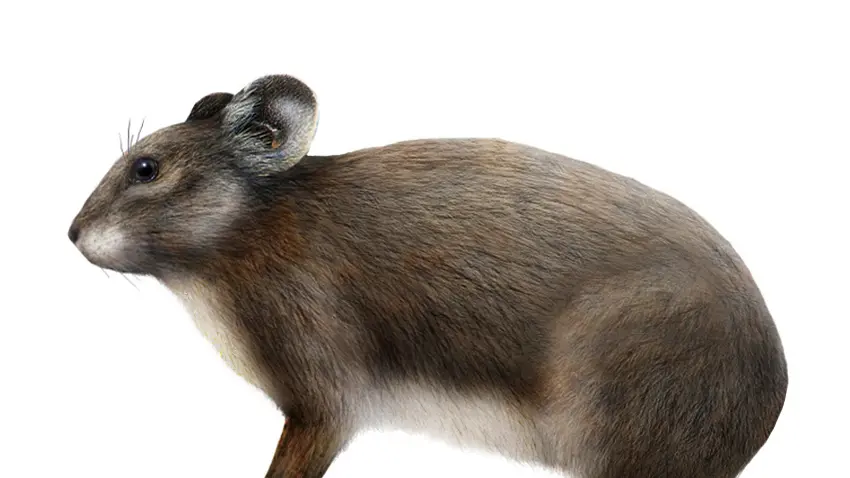
Recovered part of the genome of an extinct mammal in Sardinia

The remains of 7,500 years ago, recovered in the Supramonte of Orgosolo, help to rewrite the evolution of the prolague
25 agosto 2023 alle 18:58
Recovered part of the genome of an extinct mammal in Sardinia
Il Prolagus sardus
Resta informato su WhatsApp
FacebookXLinkedInWhatsApp
Argomenti similiSLOT_2
  • Da che parte sta?
    Caffè Scorretto

    Da che parte sta?

    Tacitus

Articoli correlati

Grillo's appeal, the defense: "Evidence in our favor was ignored or undervalued, the trial must be retried."
Sassari

Grillo's appeal, the defense: "Evidence in our favor was ignored or undervalued, the trial must be retried."

In the grounds of appeal, a flurry of objections raised by the lawyers to the regularity of the conviction sentence of the Tempio Tribunal
Andrea Busia
Girasole: Mosquitoes test positive for the Usutu virus: Mayor's order comes into effect.
the alarm

Girasole: Mosquitoes test positive for the Usutu virus: Mayor's order comes into effect.

The verdict from the Teramo zooprophylactic institute is the first case in the municipality.
Roberto Secci
Bomb scare, schools aren't closing. Meloni: "They want to scare us, not hit us. We'll react."
the emergency

Bomb scare, schools aren't closing. Meloni: "They want to scare us, not hit us. We'll react."

The prime minister called on the opposition and reassured them in a video on social media: "Nothing was found in the institutions. Those who send these threats want a nation that is terrified and fea…
Costa Smeralda, the "emery gang" and thefts from dream villas: crimes prescribed after 16 years
Olbia

Costa Smeralda, the "emery gang" and thefts from dream villas: crimes prescribed after 16 years

In 2010, raids took place in Porto Cervo and Olbia, with the villa of an undersecretary of Labour and the residence of a Roman countess also targeted.
Andrea Busia
Ciro Grillo trial: appeal faces immediate risk of postponement
court

Ciro Grillo trial: appeal faces immediate risk of postponement

The defense: "A judge's signature is missing; the first-instance ruling must be retried."
Cabras, the Casula family's historic supermarket is closing: "We can't keep going."
in the center

Cabras, the Casula family's historic supermarket is closing: "We can't keep going."

In Corso Umberto, the shutters will be lowered after 80 years of activity.
Sara Pinna
Sassari: Drunk man hits nurse in ER lip
the violence

Sassari: Drunk man hits nurse in ER lip

The man was arrested by the Carabinieri, and the victim was given ten days of treatment.
Emanuele Floris
Quartu, workshops and guided tours dedicated to tradition
the event

Quartu, workshops and guided tours dedicated to tradition

The “Tramudas” festival, organised by the Sa Cobula association with the natural shopping centre, makes its debut on Thursday
Georgia Daga
The book "Walking in Silence" will be presented in Nuoro.
The meeting

The book "Walking in Silence" will be presented in Nuoro.

The volume edited by researcher Mariella Napolitano will be presented on Friday

Part of the genetic material of a small extinct mammal has been recovered and the new data, the result of an Italian study published in the journal Scientific Reports , help rewrite a page of mammalian evolution. The analyzed remains date back to 7,500 years ago and were found in Sardinia, in the Cabaddaris cave, in the Supramonte of Orgosolo and belong to the Sardinian prolagus, (Prolagus sardus), an extinct species once widespread in Sardinia and Corsica.

Coordinated by the University of Bologna, the research was conducted with the University of Cagliari, the Experimental Zooprophylactic Institute of the Venezie and the Severtsov Institute of Ecology and Evolution of the Russian Academy of Sciences.

Coordinated by Luca Fontanesi, of the University of Bologna, the researchers recovered the mitochondrial DNA of the ancient mammal, i.e. the DNA that is not found in the nucleus and is inherited only through the mother.

"In addition to genetic analyses, the find was dated thanks to the C14 technique, which placed it around 7500 years ago, in the Neolithic period", observes the first author of the article, Joe Utzeri, of the University of Bologna. The fact that the fossils of this mammal are abundant in Sardinia suggests, continues the researcher, that this species was prey to various carnivores and birds, but also to humans, as evidenced by the burnt remains collected in various archaeological sites.

The reasons for the extinction are not clear, but it is certain that this species was present in Sardinia until the Iron Age and in Corsica perhaps until the Roman era. Genetic analysis has made it possible to rewrite the history of the evolution of the Sardinian prolagus, so far much debated, attributing the genus Prolagus to an independent group, similar to the family Ochotonidae. For Elisabetta Cilli, of the University of Bologna and second author of the article, «these analyzes provide a unique expedient to retrieve and study genetic changes over time and observe evolutionary and ecological processes in real time. In this way, ancient DNA, a kind of time capsule, has revolutionized the understanding of important events of the past with unprecedented resolution, providing new opportunities to answer questions that we could not have solved with other approaches.

(Unioneonline)

© All rights reserved