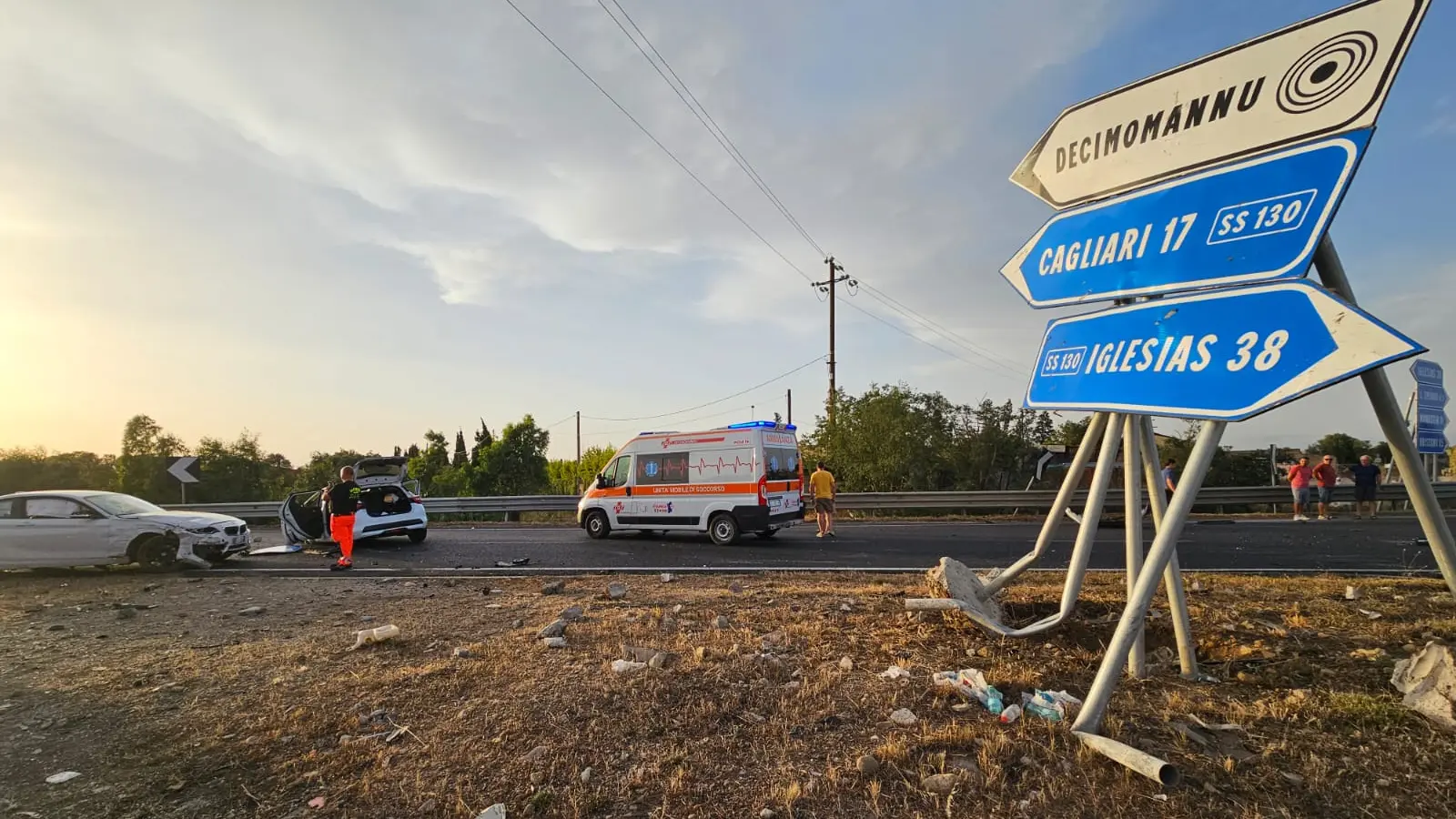


The process for the decision-making conference was formally launched today. The conference will gather the agreements, opinions, authorizations, and clearances necessary for approval of the final project, which aims to revolutionize the traffic flow of State Road 130 between Cagliari and Decimomannu, passing through Elmas and Assemini.
The launch was announced by Antonio Piu, Special Commissioner for the Regional Road Infrastructure Projects. The goal is twofold: to make the infrastructure safe and modern, meeting a long-awaited mobility need.
The shared strategy
The scale of the project requires complex management, involving a wide range of agencies. The three municipalities involved, as well as the Metropolitan City of Cagliari, are represented at the table, coordinated by the Region. The strategic nature of the project required the participation of numerous key stakeholders for land protection and interference management: from the ABAP Superintendency to the land conservation authorities, as well as the operators of essential public services. These include RFI, Terna, E-distribuzione, Abbanoa, Enas, Italgas, and the major telecommunications operators.
This synergy aims to gather all opinions, including landscape and hydraulic ones, in a single location, which are essential for project approval. A positive outcome of the conference will result, among other things, in the imposition of a restriction on the expropriation of hundreds of lots, serving as a substitute authorization for the project's compliance with urban planning and landscape regulations.
The timetable
The entities involved now face a process punctuated by strict deadlines. Administrations may request additional documentation or clarifications on facts or qualities not yet certified by June 23rd. The crucial moment, however, will be July 24th, the date of the final synchronous meeting.
The meeting will be held at 10:00 a.m. at the offices of the Directorate General of Public Works on Viale Trento in Cagliari. There, the administrations will present their final decisions, fully respecting the deadlines dictated by the "acceleration requirements" highlighted by Piu, to transform the project into a functional reality as quickly as possible. The goal, in fact, is to begin construction by 2028.