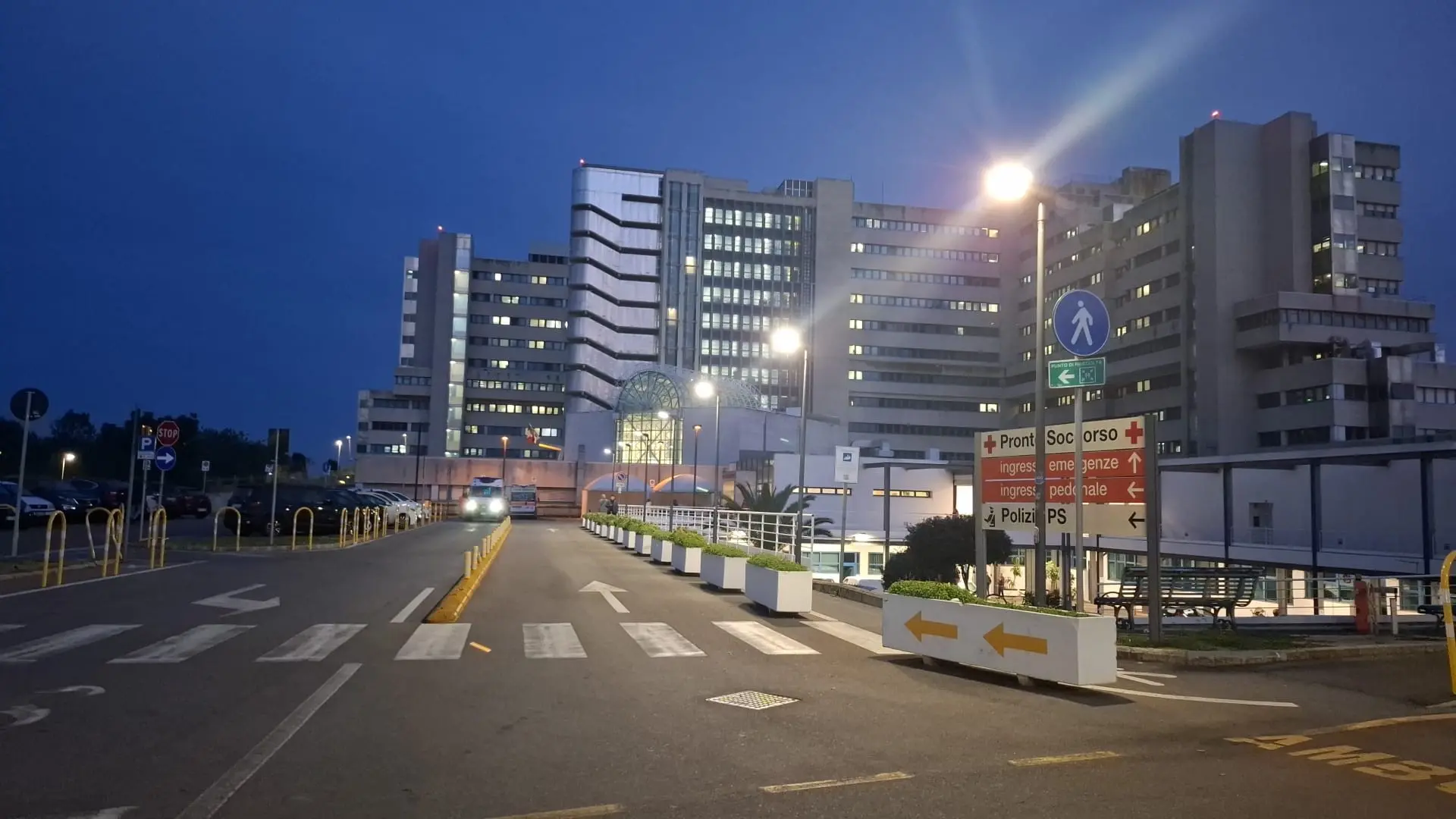


Lifesaving surgery at Brotzu Hospital for an 11-year-old girl who nearly died from an ischemic stroke.
It all started suddenly: an afternoon spent at a friend's house, the unexpected feeling of discomfort, then the neurological deterioration in the hours that followed. Signs that are described as "difficult to interpret, especially in a child."
When the gravity of the situation became clear, urgent hospitalization in the Pediatrics department, directed by Giuseppe Masnata, became inevitable.
The response from the Pediatrics, Neurology, Stroke Unit, and Neuroradiology Departments was immediate and collaborative. The first to recognize the clinical suspicion of stroke were Drs. Valeria Ledda and Valeria Piras , who, together with Antonio Ferrari and Federica Schirru, initiated the diagnostic and therapeutic process. The tests confirmed what was suspected: the occlusion of a large intracranial vessel, "a severe condition, especially in such a young patient, which required a rapid decision and highly specialized treatment," according to a statement.
The choice was the most complex: an endovascular intervention with the placement of a stent to reopen the vessel and restore blood flow to the brain, which requires extremely high precision.
"Treating stroke in children is particularly complex," explains Federico Fusaro, acting director of the Neuroradiology Unit. "Diagnostic difficulties, adapting procedures and devices to very young patients, and the need for highly specialized technical skills and experience make every intervention a challenge."
And this time the challenge was won: the little girl showed an almost complete neurological recovery, with a surprisingly favorable clinical evolution already in the first hours following the procedure.
"This is a result that makes us deeply proud," said ARNAS General Manager Maurizio Marcias . "It demonstrates how the integration of skills, the organization of time-dependent pathways, and the high level of professionalism of our staff allow us to successfully address even the rarest and most complex emergencies, ensuring excellent care even for the youngest patients."