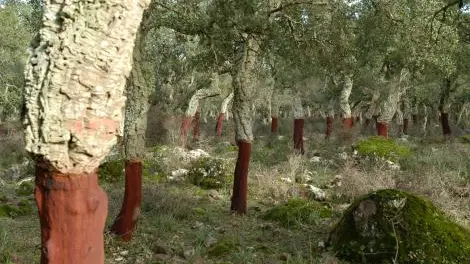


A biological insecticide spread by helicopters to protect Sardinian cork oak forests from defoliating lepidoptera, which threaten the health of forest ecosystems and the island's cork production sector. The distribution of Bacillus thuringiensis kurstaki, a selective biological insecticide, harmless to humans and other non-target insects , which acts exclusively on the larvae of the insects in question, began today with the use of 4 helicopters equipped for aerial treatment. The extraordinary phytosanitary interventions against the cork oak defoliating lepidoptera, Lymantria dispar and Malacosoma neustria, started in the areas of north-western Sardinia. The action, promoted and coordinated by the Department of Environmental Protection and financed with a total allocation of 3 million euros, concerns approximately 40 thousand and 400 hectares of cork oak forests located in numerous municipalities of the main cork-growing areas of the island, including Sinnai, Burcei, Iglesias, Fluminimaggiore, Thiesi, Villanova Monteleone, Putifigari, Montresta, Telti, Tempio Pausania and many others.
"We are responding promptly, scientifically and operationally to the emergence of an increasingly widespread phytosanitary problem, thanks to a joint and structured commitment involving the entire regional administration, the specialized technicians of the Department and the scientific and operational bodies responsible for monitoring and active defense of the forest heritage", declared the regional councilor for the Environment, Rosanna Laconi . The intervention was authorized by the Ministry of Health with Decree 18953 of April 7, following a careful phase of study, monitoring and mapping of the outbreaks , carried out by the Phytosanitary Forestry Technical Table, composed of the regional administration, the Agencies and the institutions competent in phytosanitary defense. The operations will continue, without interruption, in the coming days in the remaining areas identified as priorities by the Dibomed network monitoring, which has recorded over 600 active control points and indicated a significant risk threshold already in the autumn season 2024.