











Sardinia is on the list of 22 territories that Brussels has classified as "less developed" . The study was made public at the end of the month by the Region's Statistics Office . The evaluation took into account 68 indicators which allowed the so-called nomenclature to be assigned to each geographical area.
Technically we talk about Nuts and it is first and foremost a demographic macrodata, to which a numerical value has been assigned first and then a subcategory. Sardinia is included in the Nuts 2 group due to its population ranging between 800 thousand and three million inhabitants (residents are precisely 1,575,028). Having a GDP per capita that is 75 percent lower than the European average of the 27 member countries , it is labeled as a "less developed region".
In the list of 22 territories lagging behind in growth, Italy is the worst-off nation. In addition to our island, the entire South has worrying indicators. That is, Sicily, Calabria, Puglia, Basilicata, Molise and Campania, also included in Nuts 2 although in some cases they have more than three million residents. Spain and Poland, on the other hand, have two regions each, while one on each side is expressed by Belgium, Bulgaria, the Czech Republic, Greece, Croatia, Hungary, Lithuania, Latvia, Portugal, Romania, Slovenia and Slovakia.
The study is entitled " Europe 2030. Sardinia and the sustainable development goals ". It is practically the territorial version of the political-economic agenda voted on 25 September 2015 by the UN. That United Nations resolution was supported by 193 countries, including Italy, and today as then it provides 17 objectives, called "Goals" and divided into 169 "Targets", i.e. steps through which to achieve operational macro-results.
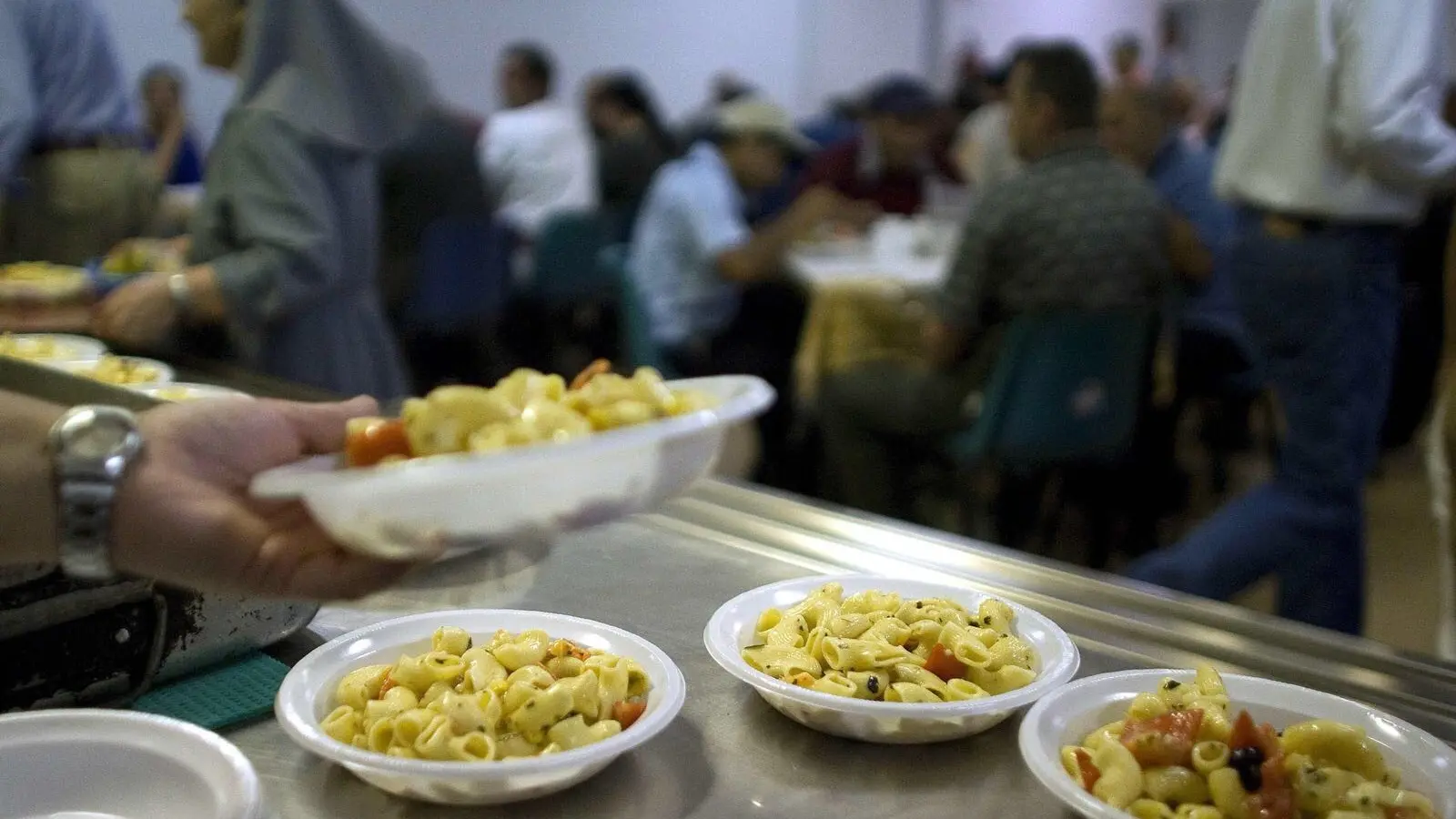
The first Goal declared by the UN, net of the ambitious objective, is "to put an end to all forms of poverty in the world". To do this, the European Union has decided to measure the risk of poverty in each territory. It turns out that : on our island a value of 30.8 was detected, which corresponds to the share of the population exposed to conditions of poverty. These are citizens with an economic availability that does not reach 60 percent of the national median income.








