









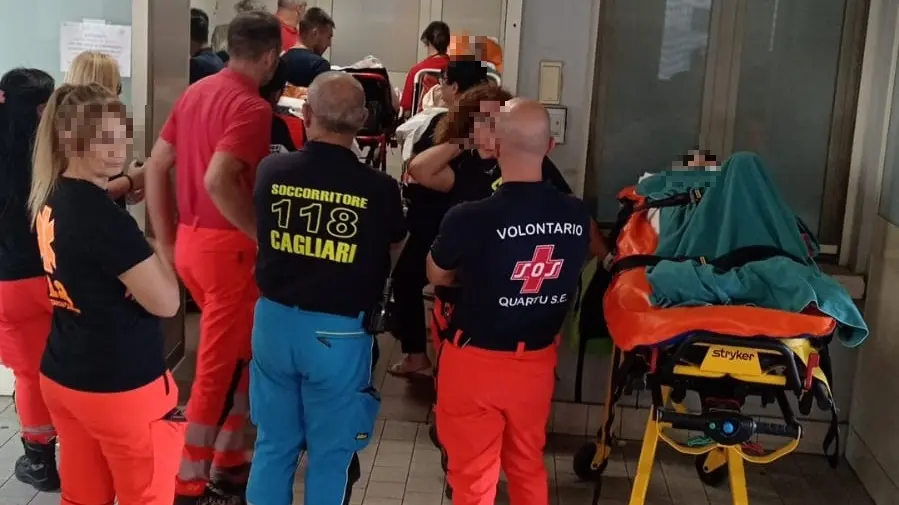


Broken promises and a collapsing system. A devastating picture emerges for the emergency workers working with Areus from the letter sent by Legacoop to the President of the Region, Alessandra Todde, and her councilor, Armando Bartolazzi.
In January, a meeting was held to discuss the new agreement for managing 118 emergency services and define the path that would lead to the reorganization of the emergency system in accordance with the national reform. Since then, according to Legacoop's regional president, Claudio Atzori, and Legacoopsociali Sardegna's head, Andrea Pianu, there has been nothing but silence. While the system collapses.
The letter takes a strong stance "denouncing the delay, if not the continuing inertia, in addressing the serious critical issues characterizing the activities carried out within the 118 emergency services by the various third sector organizations affiliated with Areus. This delay, specifically regarding social cooperation, leads to a growing state of uncertainty regarding the future employment of members, employees, and the organizations themselves, which are increasingly forced to deal with inadequate and uncertain resources while facing the need to plan investments and expenditures to ensure the quality of the services provided to citizens."
The letter recalls how the Cagliari meeting revealed the political will to act in a participatory manner and quickly, even "within six months," to define a new emergency system agreement, consistent with the principles outlined in the national third sector reform. This will secure existing activities and guide them through a process of profound systemic change. Similar commitments, unfortunately with the same results, were made in June during meetings with the Health and Labor councilors, the Areus commissioner, and key officials.
In a framework now defined as "unsustainable," the letter reiterates the "urgent need to define new rules for the organization and management of emergencies," as it is essential that "we achieve, even through a transitional but clearly defined phase, recognition of the costs required for the proper contracting of personnel employed at the stations. This," the letter further specifies, due to the constant uncertainty about their future, seriously detrimental to the safety of citizens and the quality of service."








