

It all started with a persistent fever and general malaise. Then the diagnosis: West Nile fever. And for a ninety-one-year-old man originally from Bidonì, but a longtime resident of Ghilarza, there was nothing that could be done. Giuseppe Marras died at the San Martino Hospital on Thursday night. The funeral was held yesterday in the town of Guilcer, and then his body was transferred to Bidonì for burial.
The family members
"He began to feel pain and discomfort around August 5th, then on Friday the 8th we took him to the hospital in Oristano and admitted him. The next day, despite a fever of 40°C, around 1:30 PM they sent him home with his treatment. At 6:30 PM that same day, seeing that he was very ill, we called 118 again and they took him back to the hospital. And there he died on Thursday night. After about ten days in the hospital, we were informed that he had tested positive for West Nile virus and then developed complications: pneumonia, atrial fibrillation, and kidney failure," his family explained. He was a fragile patient, and this undoubtedly contributed to the fatal outcome of the disease.
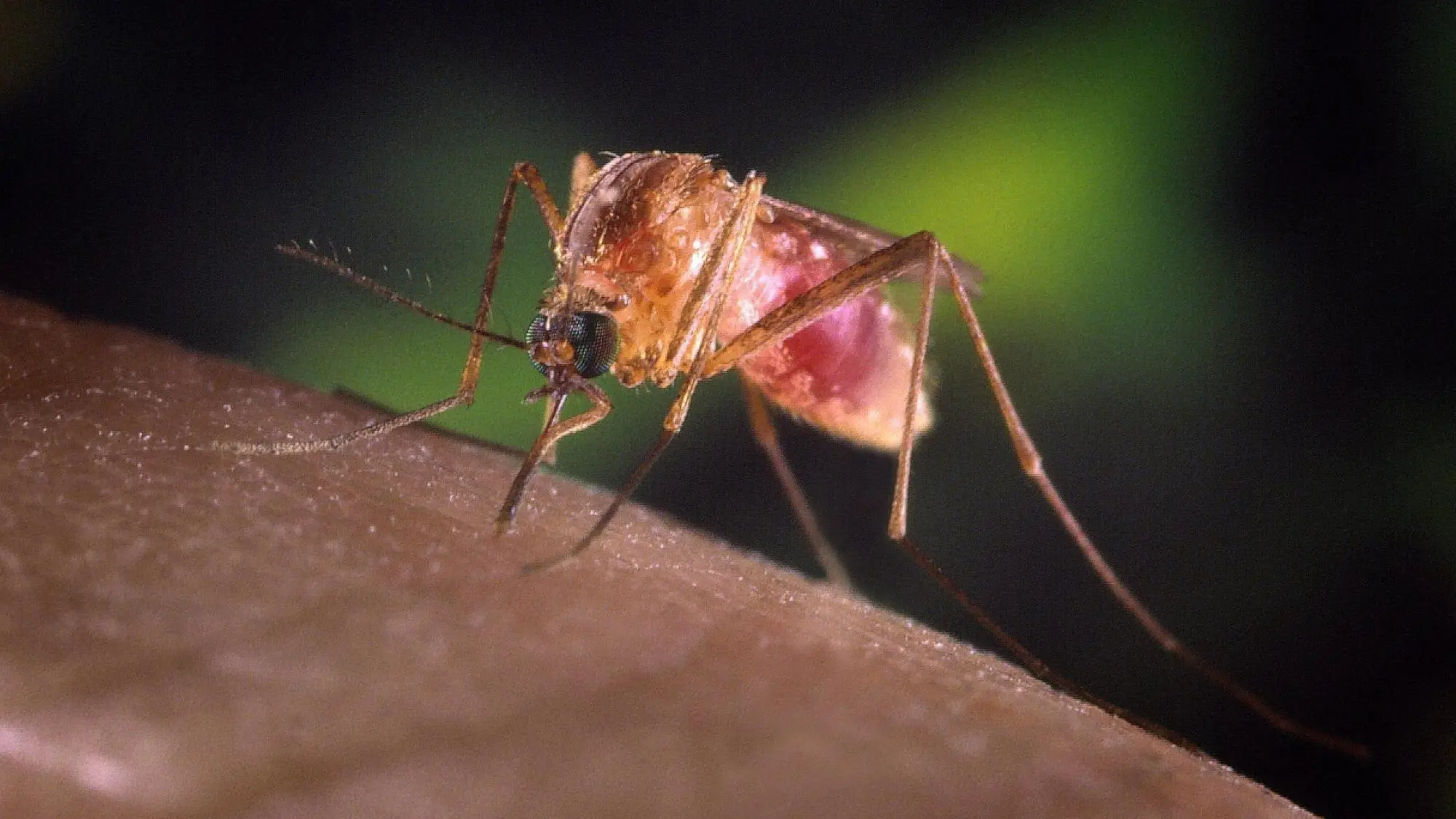
In fact, most people who contract the virus don't even realize they have it. "On August 19th, a case of a person testing positive for the virus was reported to the municipality, and the lower part of town, where the 91-year-old lived, was sanitized," explains Mayor Stefano Licheri. "We also disinfected the area in Malosa, behind the sports field, where the man owned land. He was likely infected in this very area, since several swamps and mosquito larvae were found."
The ninety-one-year-old used to visit his farm, just outside the town. "I ran into him often and knew him because I had even been to his house during the election campaign," the mayor concludes.
The infections
Meanwhile, on Friday, the seventeenth human case of West Nile fever diagnosed in the province of Oristano in 2025 was confirmed. Following the diagnosis, the Department of Hygiene and Prevention immediately implemented all required measures: an epidemiological investigation and the cordoning off of the woman's home to allow for more thorough disinfection within a 200-meter radius of her home.