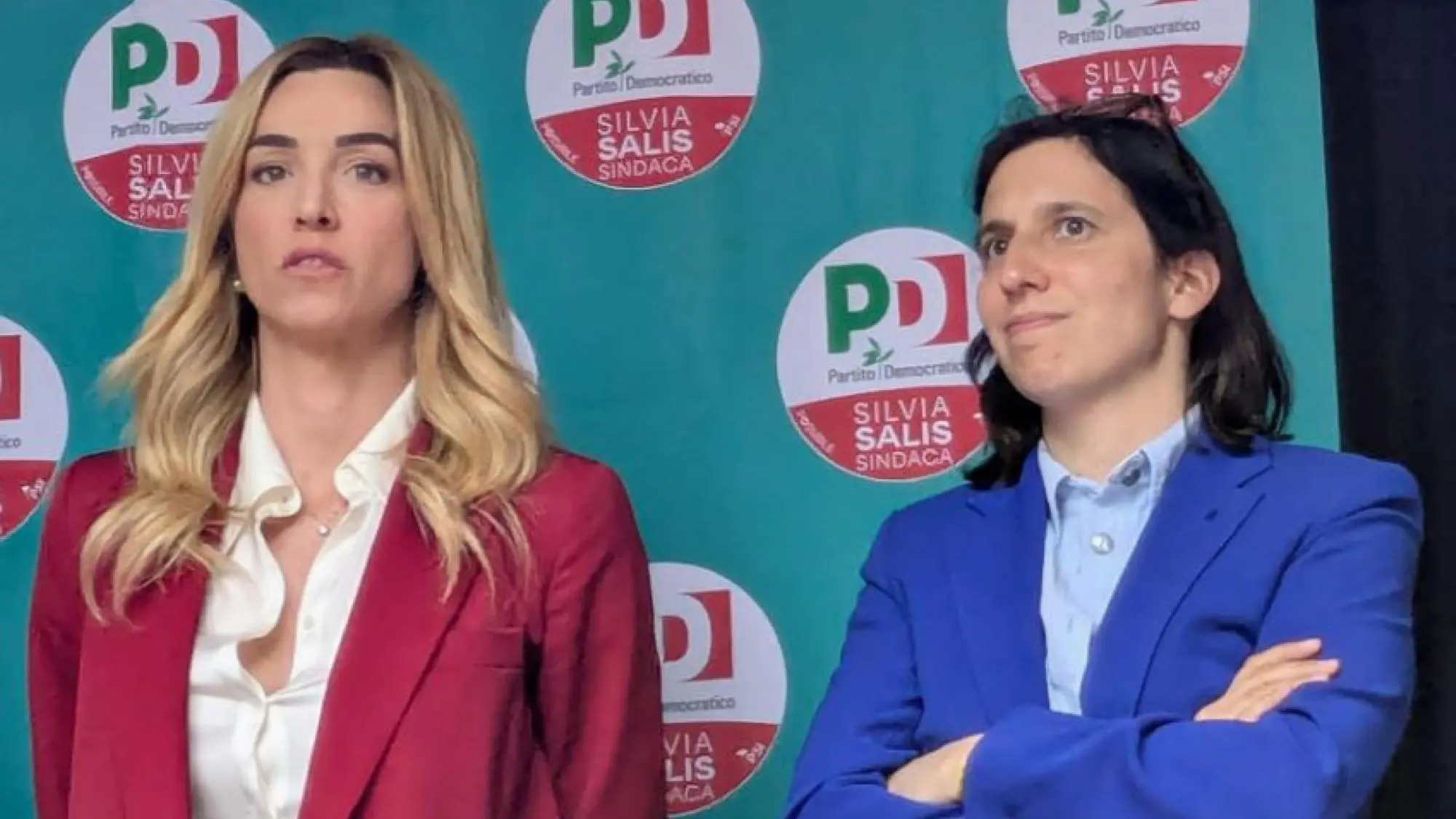


When an agreement on the center-left leadership still seemed far off, Genoa's mayor Silvia Salis intervened in the debate with a wide-ranging television interview. In the Che Tempo Che Fa studio, she was greeted with prolonged applause. "Greeted with an ovation, never anyone," Fabio Fazio welcomed her. After taking the leap forward—in which she had expressed her willingness to take on the center-left leadership role—she reiterated: "I am the mayor of Genoa."
He highlights the centrality of the "progressive camp," emphasizes the issue of labor, and reiterates his opposition to the primaries: "I don't want to see a race" among the leaders because to win, you have to be focused "on the objective," while on the left, there's the risk—always lurking—of fragmentation and therefore "irrelevance." And not only would he not participate prominently in the primaries, he says, but he wouldn't even vote: "I'm consistent; both Schlein and Conte supported me in Genoa, it wouldn't be right. I would vote in the general election." These words come on the day Democratic Party secretary Elly Schlein, in a lengthy interview with the Spanish newspaper El País, reiterates her position on the ongoing contest over the choice of the Campo Largo candidate for prime minister. "We'll reach an agreement," she reassures.
"It will be who gets the most votes or there will be coalition primaries," explains the Democratic leader. She has always said she's ready to run if the final say is left to the polls. Then she extends a hand to her allies: "We're not starting from scratch because in these three years we've put forward many legislative proposals together." Among other issues, Schlein cites labor, healthcare, and industrial policies. She emphasizes that unity "is a demand from the voters" and highlights the "new climate" created by the opposition forces to "overcome divisions and personalisms." The road to finding a consensus on the choice of leader, however, remains uphill . The M5S is the first to mark the gap, with vice president Stefano Patuanelli insisting on internal doubts within the Democratic Party regarding the primaries. "It's a bit surprising," she insists, "that they come from the political side that has always proposed them." Then she establishes a point. "We live in a political system," he says, "where there's also a conflict between leaders, and progressives must choose the one who will embody their program. I see no alternative to primaries to do so."