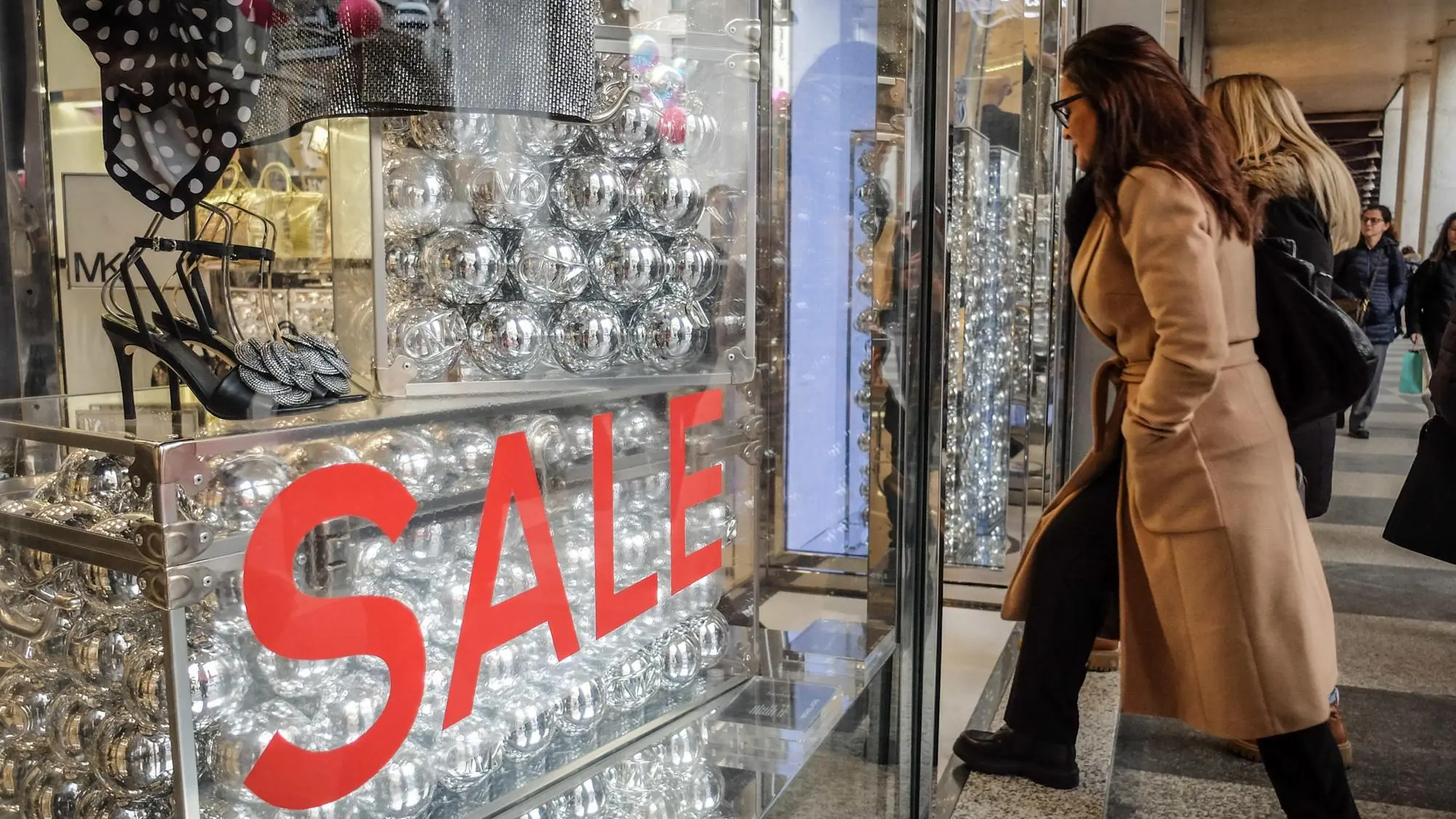


Every summer it's the same story: shop windows plastered with discounts, breathtaking percentages, "last pieces", "unmissable offers" . And every summer there is someone who leaves the store convinced they have made the deal of the century... only to regret it later in front of the wardrobe. Behind the allure of summer sales often hides a jungle of pitfalls, psychological traps and commercial incorrectness.
The Consumers Union is playing ahead of the game and offers buyers the updated decalogue with all the rules - legal and practical - to avoid falling victim to fake sales. A self-defense manual from aggressive marketing and "fake deals", to keep in mind before looking for the right item at the right price.
Never stop at the first price , the first price tag seen in the shop window is never the final one. Real deals are made by comparing: go around two, three, even four stores. Same model, similar materials, different prices. Sales reward those who have patience.
Clear ideas, safe wallets : entering with a clear idea – “I need a pair of beige pants” – helps you resist the suggestions of the clerk and the temptations on the shelf. Not everything that costs little is worth the purchase.
Fixed budget, temptations under control : you have to establish a figure and stick to it. It's not called greed, but financial intelligence. Knowing how much to spend will save you from second thoughts after spending and from the shocking receipt.
But above all, pay attention to the price tag (and the law) . Since 2023, the seller is required to display the lowest price applied in the 30 days preceding the sales, thanks to Legislative Decree no. 26 (implementation of the EU “Omnibus” Directive). No more fictitious discounts on the inflated price: those who do not comply with the rule risk fines of up to 3,000 euros. If the price tag is not clear, turn away.
Discounts over 50%? Always be wary. When the price is too good to be true, it probably isn't true. Behind excessive discounts are hidden warehouse stock, out-of-season items or even items with an "inflated" starting price. Look at the final price, not the percentage. Also, if a store was half empty the day before the sales began and then magically fills up with every size and model, perhaps it is not a question of seasonal leftovers but of goods forgotten in the back room. The real sales are those that liquidate recent unsold items.