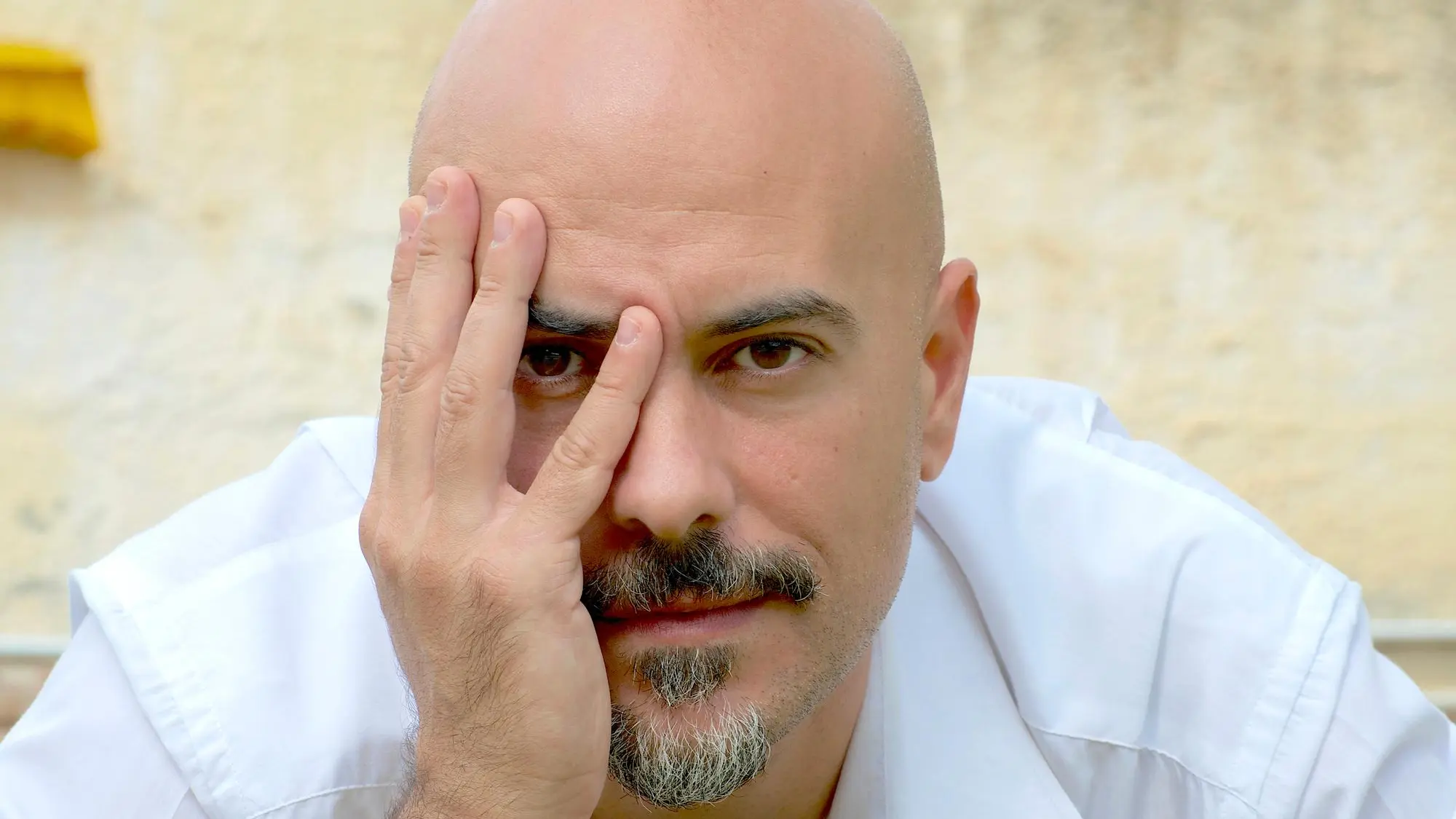


The Kaizen method arrives in Sardinia for the first time thanks to Michele Sestu's book "Learning with Kaizen" , an essay dedicated to the educational system in the school environment enriched by the preface by Bruno Fabiano of the Kaizen Institute Italia.
The work of Sestu, pianist, composer, teacher, producer and expert in music education, will be presented in Cagliari this evening, Friday 4 October, at 6 pm in the auditorium of the Church of SS. Crocifisso.
This is the transposition of the Kaizen method from a method for improvement in industry to a method for improvement in learning and teaching.
The original meaning of the Japanese word "Kaizen" from the Shogakukan Dictionary could be literally translated as "The act of improving negative points".
The most popular translation is "change for the better", also to improve.
While this is true, there is much more to it.
Regardless of what you may think, continuous improvement is not the only definition of Kaizen, which is, instead, its result.
In fact, the literal translation of continuous improvement in Japanese is “Kairyo”.
Kaizen is more of an internal process that happens in the culture and mind.
The goal is to realize everyone's potential, break the status quo and in this way achieve improvements: so a more precise way to define Kaizen would be the expression "continuous self-development".
In fact, the modern sense of the word originated in Japanese automobile factories.
After World War II, many Japanese companies were influenced by the methodologies introduced by American consultants sent under the Marshall Plan.
Although this practice has been implemented elsewhere, in the four-wheel industry it is the most shining example: in some well-known companies of the Land of the Rising Sun, an excellent level of continuous improvement has been achieved thanks to the Kaizen method - creating effective management systems to generate, acquire and review improvements in infinite cycles.