LEGGI IL QUOTIDIANO
LEGGI IL QUOTIDIANOOggi 13 November
L'Unione Sarda English
Abbonati
ITA|ENG|DEU|RUS|CIN
videolina Linkradiolina linkSardegna 1 linkVai online linkPBM link
Read the newspaper
L'Unione Sarda English
Subscribe
L'Unione Sarda

Iniziative Editoriali

  • Biblioteca dell'identità

Account

  • Abbonati
  • LEGGI IL QUOTIDIANO
ABBONATI A L’UNIONE SARDA

SCARICA L'APP L'UNIONE DIGITAL

Download GoogleDownload apple
videolina Linkradiolina linkVai online linkPBM link

2021 L'Unione Sarda S.p.A. Tutti i diritti riservati. É vietata la riproduzione, anche parziale e con qualsiasi mezzo, di tutti i materiali del sito. | Indirizzo della Sede Legale: Piazzetta L'Unione Sarda nr. 24 | Capitale sociale 11.400.000,00 i.v. | Codice Fiscale ed iscrizione presso l'Ufficio Registro Imprese di Cagliari 01687830925 (P.I. 02544190925) | REA: CA-136248

Cookie e Privacy PolicyModifica impostazioni privacyInformativa commentiCorporate
L'Unione Sarda

News

  • Cronaca Sardegna
  • Economia
  • Salute
  • Cultura
  • Sport
  • Gossip
  • Turismo

Servizi

  • Necrologi
  • Annunci
  • Pubblicità
  • Contatti

Bella Sardegna

  • Spiagge

Iniziative Editoriali

  • Biblioteca dell'identità

Account

  • Abbonati
  • LEGGI IL QUOTIDIANO
ABBONATI A L’UNIONE SARDA

SCARICA L'APP L'UNIONE DIGITAL

Download GoogleDownload apple
videolina Linkradiolina linkVai online linkPBM link

2021 L'Unione Sarda S.p.A. Tutti i diritti riservati. É vietata la riproduzione, anche parziale e con qualsiasi mezzo, di tutti i materiali del sito. | Indirizzo della Sede Legale: Piazzetta L'Unione Sarda nr. 24 | Capitale sociale 11.400.000,00 i.v. | Codice Fiscale ed iscrizione presso l'Ufficio Registro Imprese di Cagliari 01687830925 (P.I. 02544190925) | REA: CA-136248

Cookie e Privacy PolicyModifica impostazioni privacyInformativa commentiCorporate
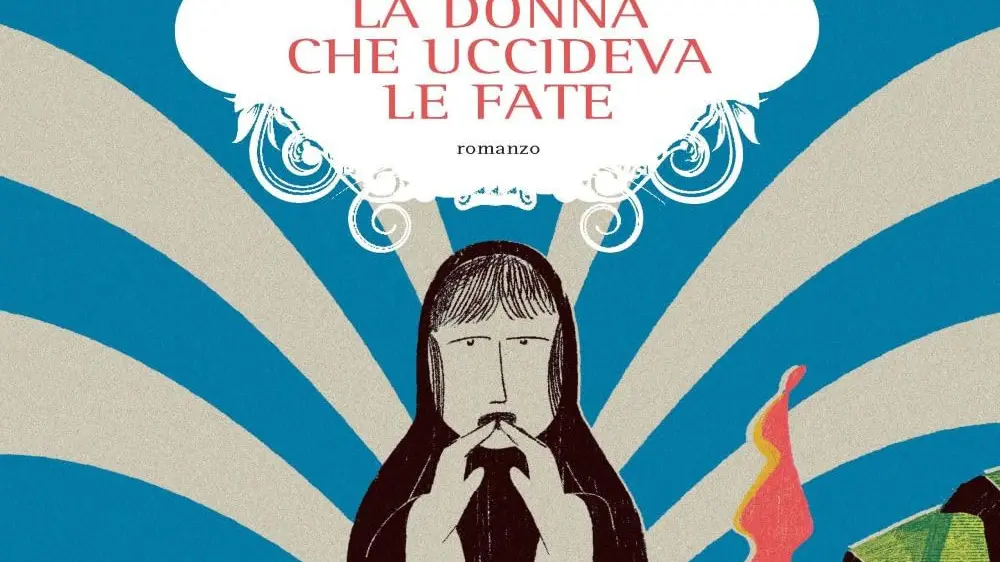
“The Woman Who Killed the Fairies”: The Return of Gesuino Némus
La copertina del libro di Gesuino Nemùs
Resta informato su WhatsApp
FacebookX
LinkedIn
WhatsApp

The Leaning Tower of Pisa. What if she's right? Don't worry, it's not the August heat that has affected my abilities, but rather a reflection that—if you'll give me the chance to argue—you'll agree with me makes a lot of sense, and which comes from the pages of "The Woman Who Killed the Fairies" (Elliot, 224 pp.), the new novel by Gesuino Némus.

In the small village of Telévras, nothing is happening. Or almost. The municipality is still under special administration; Gonario Manizàre, president of the milk producers' cooperative and a man devoted to the practice of grab grab , has decided to throw himself into politics with a vengeance ; the farmers, exhausted by the low price of sheep's milk, discuss how to get something more from politics than a gesture of solidarity, as self-interested as it is useless; Gioacchino Dicciòsu – who in 1969 had participated in the Pratobello uprising – warns of the futility of the struggle, that "we were slaves then and that's what we remain"; the marshal of the meritorious Ettore Tigàssu is counting the minutes that separate him from 2037, when he will finally be able to retire; and that crazy liar Gesuino Némus – the character, not the author! –, after promising to write a novel about the village and its people, has disappeared.

Everything revolves around the “Pubblica Mescita Cannonau & basta”, the agora of this microcosm of not even a thousand souls in the heart of Ogliastra, close to the Tacchi but 25 kilometers from the sea whose blue you can just see.

In Telévras, as we were saying, nothing, or almost nothing, happens. For example, old Digiòsu is found murdered by his shepherd servant: someone shot him in the back with a smoothbore hunting rifle, and you'll understand what an investigation this is in an area where there are more guns than residents. The assets—and with them the deceased's debts—should pass to his sister Elvira, the only living relative, who is however deemed incompetent because, seventy years earlier, she drowned her only daughter, a few months old, in the river. She is a mad old woman who lives between a ruin on the riverbed and the abandoned Gairo Vecchia.

© All rights reserved

Argomenti similiSLOT_11
  • Sull’attenti, Pete
    Caffè Scorretto

    Sull’attenti, Pete

    Celestino Tabasso

Articoli correlati

Sassari: Jackets and scarves stolen: arrested
safety

Sassari: Jackets and scarves stolen: arrested

Attempted lightning theft at Upim on Viale Italia: goods returned
Emanuele Floris
The Moro Murder, the Gradoli Mystery: That Day the Spirits Spoke
1978-2026

The Moro Murder, the Gradoli Mystery: That Day the Spirits Spoke

Home
books

“The Woman Who Killed the Fairies”: The Return of Gesuino Némus

Chronicles from Telévras: a crime is the pretext for telling the story of Sardinia through a farcical tragedy.
Ciro Auriemma
16 agosto 2025 alle 12:51
One of the unresolved and disturbing passages of the kidnapping of the president of the Christian Democracy
Julius Zasso
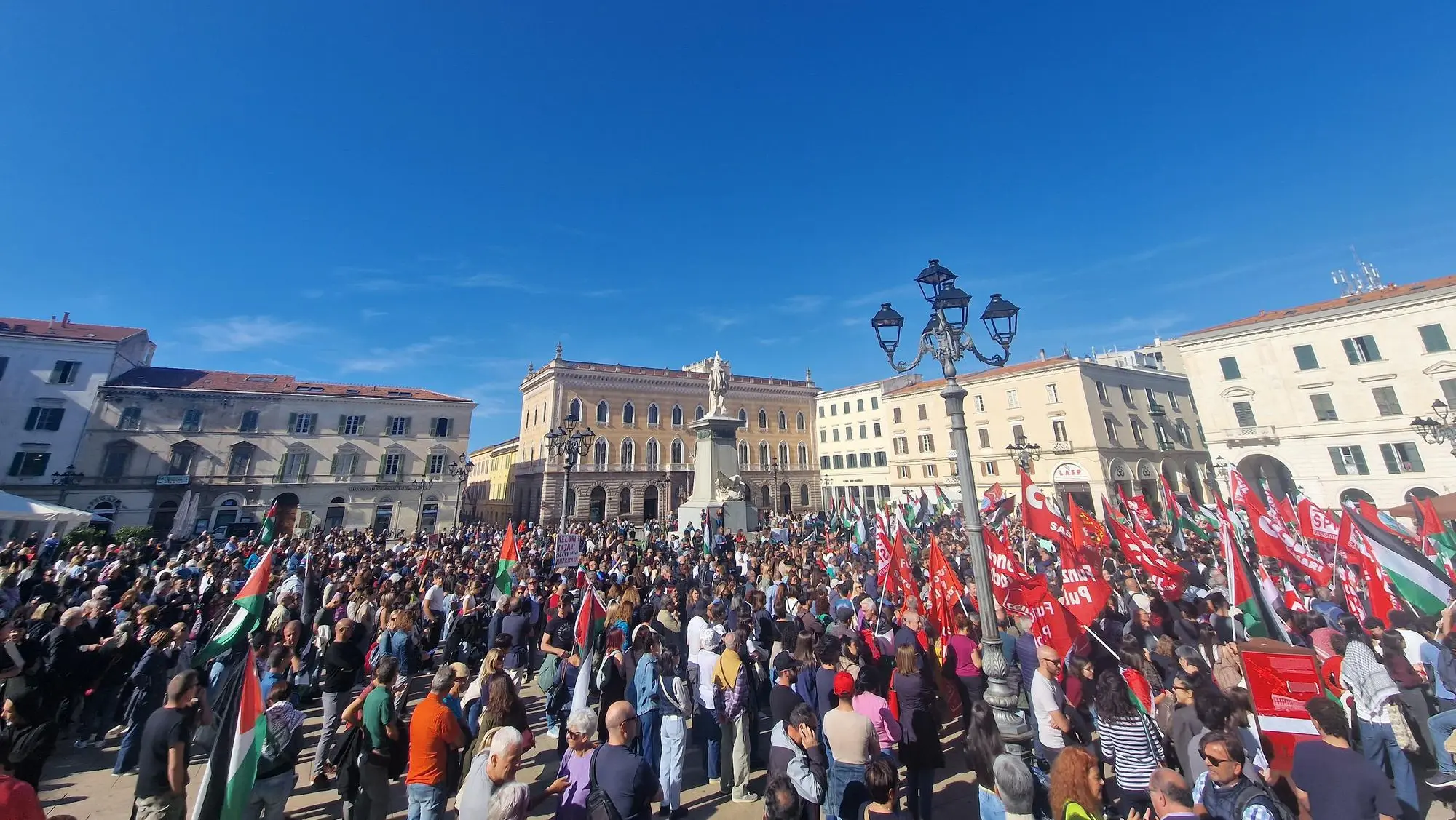
ProPal demonstration in Sassari, investigation closed: 17 accused of roadblock
the investigation

ProPal demonstration in Sassari, investigation closed: 17 accused of roadblock

The Prosecutor's Office also contests the interruption of public service
Emanuele Floris
A truck driver was traveling on the 131 with a large load of cocaine: 58 kilos seized.
the operation

A truck driver was traveling on the 131 with a large load of cocaine: 58 kilos seized.

Police raid reveals drugs hidden in three bags; Nuoro truck driver arrested
Fabio Ledda
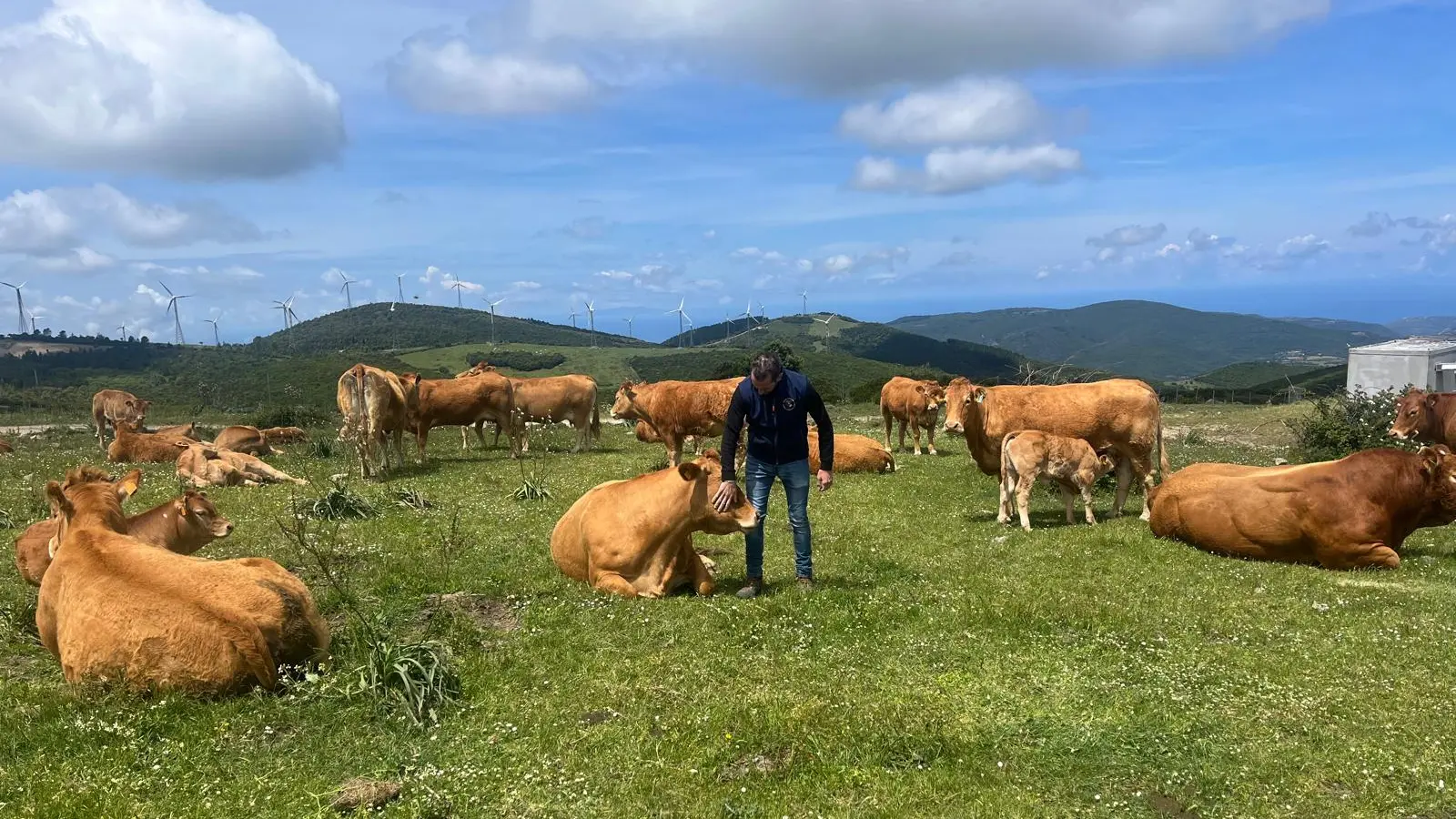
Endless ban on bovine dermatitis: "Sardinian companies facing financial collapse."
the appeal

Endless ban on bovine dermatitis: "Sardinian companies facing financial collapse."

The CIA: "The ban on movement must be lifted: breeders who have complied with the rules can no longer cope."
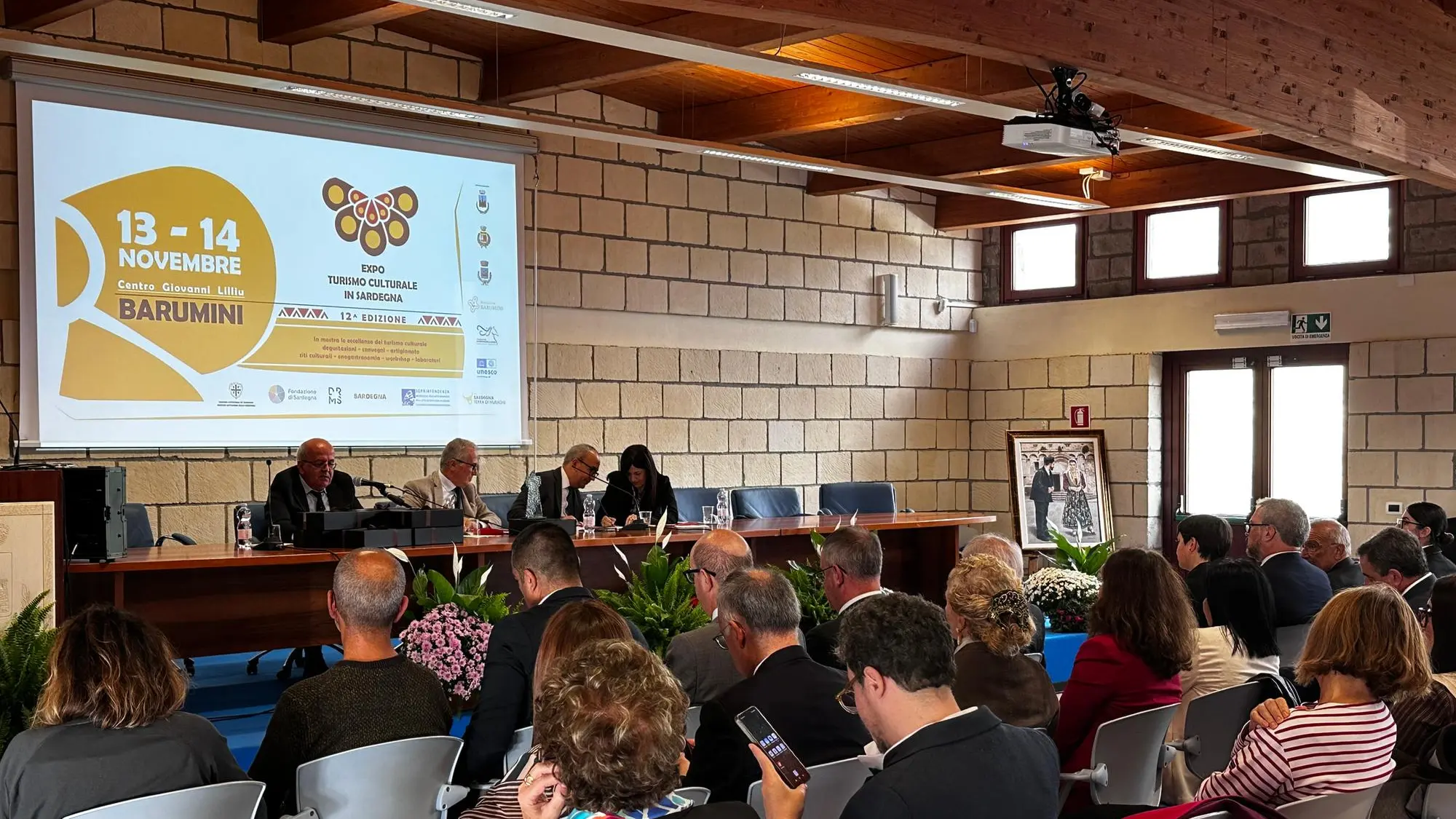
Barumini: Cultural Tourism Expo inaugurated
The event

Barumini: Cultural Tourism Expo inaugurated

Sites and territories network, the betilo rewards cultural excellence and the exhibition on the Sherden brings Sardinia and Egypt closer together.
Niko Pandetta before the investigating judge in Messina's drug and mafia investigation: "Total non-involvement."
the investigation

Niko Pandetta before the investigating judge in Messina's drug and mafia investigation: "Total non-involvement."

Preliminary hearing via video link from Voghera prison. The defense attorney, Cagliari-born Riccardo Floris, said: "He was summoned by three informants he doesn't know, and the accusations are unfoun…
Francesco Pinna
Quartu, here's the plan for Is Arenas: parking, a market, and a skate park.
the resolution

Quartu, here's the plan for Is Arenas: parking, a market, and a skate park.

The City Council approves the project for the area around the sports center on Via Beethoven.
Federica Lai
A nurse sentenced to 25 years is released: "She didn't kill her neighbor."
master

A nurse sentenced to 25 years is released: "She didn't kill her neighbor."

Monica Busetto had been in prison for 14 years. Her request for a review has now been granted.

What is already shaping up to be a farcical tragedy will be joined by the arrival from Switzerland of a famous university professor of Clinical Psychology, Professor Marco Venturini, convinced he wants to buy a house for one euro in which to live for at least six months of the year, and convince the residents—first of the village, and then of Sardinia—of the wisdom of transforming Sardinia into the twenty-seventh Swiss Canton, the Maritime Canton.

The crime is merely a pretext to recount, with disenchantment and a cutting voice, the quirks (and vices) of this beloved land of ours. While in the background, foreign and continental corporations attempt, with carrots and sticks, to grab land for wind turbines and hectares of solar panels, the novel's entire narrative is anchored in a nostalgic and romantic self-mythology of a proud, self-confident, hospitable, and generous people, almost incapable of committing evil except as a consequence, a form of punishment meted out by man, since the justice of the palaces cannot be trusted. But Sergio Atzeni had already written that "Aside from the folly of killing each other for irrelevant reasons, we were happy," warning us that evil didn't only come from outside. So does Némus: he laughs and mocks, he entertains in the most etymological sense of the word, forcing us, between laughter and scholarly reflection, to change our perspective. So much so that, in the end, it will no longer be clear who, in Telévras, is truly mad… in short, whether, after all, the Leaning Tower of Pisa isn't right.