

There are 14 symbols that will appear on the cards of the Sardinians in the elections of 25 September, both in the Chamber and in the Senate.
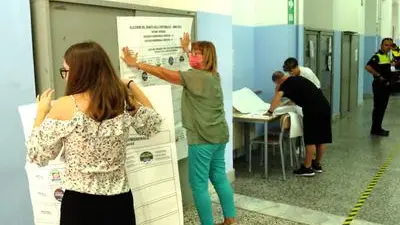
There are 1.3 million voters on the island who, divided into 1,836 sections , are called to elect 16 parliamentarians with the Rosatellum system . Voting is only on Sunday from 7 to 23.
Eight of the 14 symbols - some historical, others completely new - are part of the two coalitions (4 for the center-right coalition, as many for the center-left one), the other six run alone.
Below is the list of symbols, with their leaders and their main political proposals.
CENTER RIGHT
Giorgia Meloni - Brothers of Italy: Runs with the center-right coalition. The only party to have always been in opposition in the last legislature, both with the two Conte governments and with the one led by Mario Draghi. He focused his identity campaign on the themes of God, country and family. Its leader has a past in An, maintains the historical traditions of the right as the tricolor flame also symbolizes, and was Minister of Youth in the Berlusconi government born in 2008 and fallen three years later to make way for the technical government of Mario Monti.
Forza Italia - President Berlusconi: By now a historic symbol, born in 1994. It appears in the center-right coalition. It is proposed as the more moderate winger compared to Lega and Fratelli d'Italia. Silvio Berlusconi was Prime Minister four times, he left Palazzo Chigi in 2011 and hasn't been back since.
League for Salvini premier: The old Northern League that changed the symbol and in Sardinia has made an alliance with the Sardists of the Psd'az. It presents itself in the center-right coalition and among the most trodden topics in the election campaign are the fight against immigration, the request for a budget shift for the expensive bills and a new pension reform that avoids the return to Fornero starting from 2023 . Matteo Salvini was Minister of the Interior and Deputy Prime Minister in Conte I, which he then brought down, passed to the opposition in Conte II and returned in the majority to the Draghi government, in which he personally did not have government posts but the Lega was able to count on some ministries.